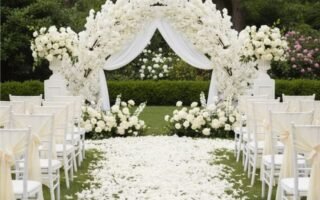
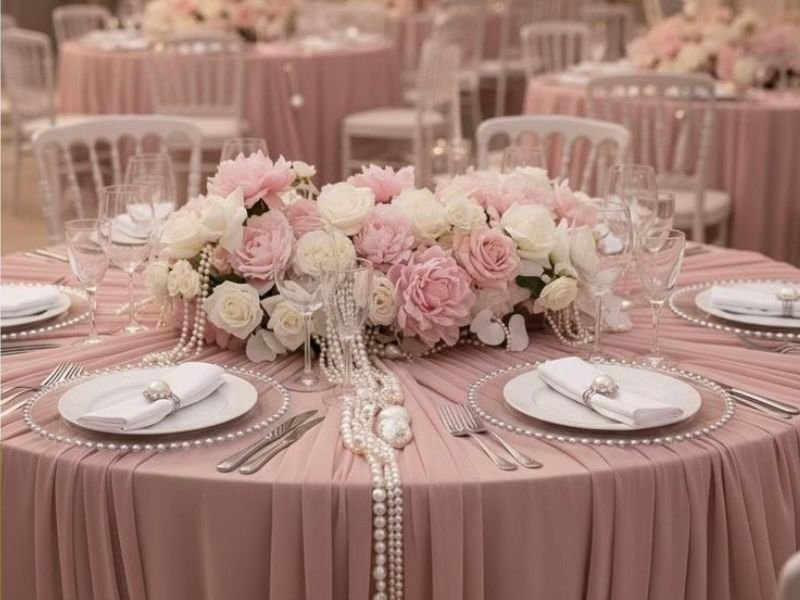
In this Post, You Will See Simple Wedding Table Decorations Ideas That Look Absolutely Beautiful.
Wedding tables play an important role in shaping the atmosphere of a reception. They are where guests gather to share a meal, raise a glass to the newlyweds, and enjoy conversations that make the celebration memorable. Although the wedding ceremony may be the main event, beautifully styled reception tables help carry that special feeling into the rest of the day.
The good news is that creating an elegant wedding tablescape does not require extravagant floral arrangements, expensive tableware, or layers of elaborate decorations. Sometimes, the most beautiful tables are the ones that combine a few thoughtful details, complementary colors, and carefully chosen accessories.
From delicate flowers and graceful candle arrangements to flowing table runners and personalized place settings, simple decorations can make a remarkable difference. The secret is knowing how to bring the elements together so that the tables feel coordinated, welcoming, and suited to the wedding’s overall style.
If you love understated elegance, these simple wedding table decorations ideas will help you create a reception that feels special, inviting, and beautifully put together.
If you Love this Wedding Table Decoration, Do well Check out our other post on Outdoor Wedding Decoration Ideas for a Romantic Celebration
Let Fresh Flowers Bring Natural Beauty to the Tables
Fresh flowers are a timeless choice for wedding table decorations. They introduce color, texture, and natural beauty while helping connect the reception tables to the rest of the wedding design.
For a simple yet elegant arrangement, choose a small collection of flowers that complements the wedding color palette. White roses, baby’s breath, and delicate greenery can create a romantic look, while blush pink flowers and cream-colored blooms add a softer touch.
You do not need an oversized arrangement to make the tables beautiful. A small vase filled with seasonal flowers can be just as effective, especially when placed on a clean table with neutral linens and understated place settings.
Consider using several small arrangements instead of one large centerpiece. This approach works particularly well on long reception tables because it distributes the flowers evenly without making the table feel crowded. It also allows guests to see one another comfortably during dinner.
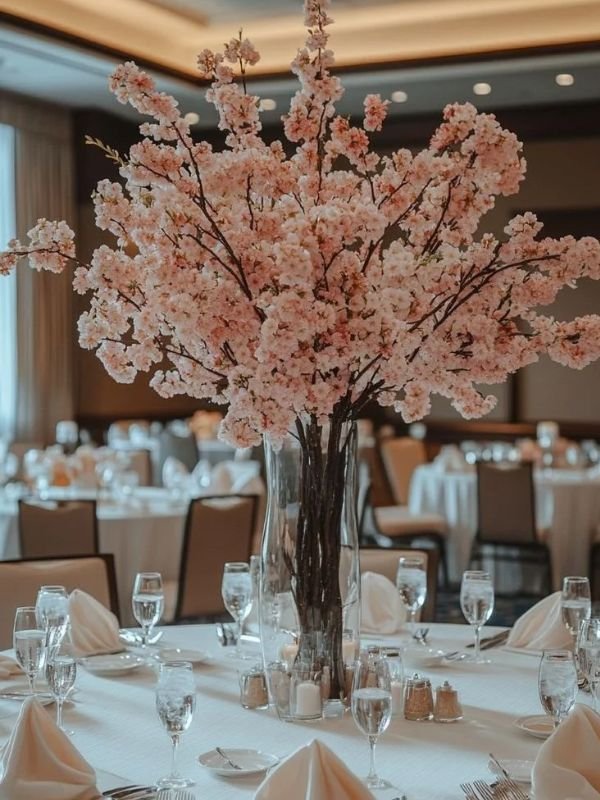
The type of container you choose can influence the overall appearance. Clear glass vases create a light, understated effect, while ceramic vessels can add warmth and texture. Small vintage-inspired vases may suit a romantic garden wedding, whereas simple white containers can complement a modern celebration.
For a cohesive look, repeat the same flower varieties or container styles across the reception tables. The arrangements do not have to be identical, but using a consistent color palette will help the entire room feel coordinated.
Seasonal flowers can also be a practical choice when working within a budget. Ask your florist which varieties are readily available around the wedding date, and consider using greenery to create fuller arrangements without relying entirely on expensive blooms.
The beauty of this decoration idea lies in its simplicity. A few carefully chosen flowers, arranged thoughtfully, can bring life to the tables without competing with the rest of the reception decor.
Create an Elegant Tablescape With White and Neutral Linens
The table linens provide the foundation for the entire decoration scheme. Before choosing centerpieces, candles, or decorative accessories, consider how the tablecloths and napkins will complement the venue and wedding colors.
White and ivory linens are popular choices because they create a clean, timeless appearance. They also work well with different decoration styles, from classic romantic receptions to modern minimalist weddings.
For a softer look, consider champagne, beige, or warm cream linens. These shades pair beautifully with wooden furniture, gold accents, delicate flowers, and natural greenery. They can also make a reception space feel warm without introducing too many colors.
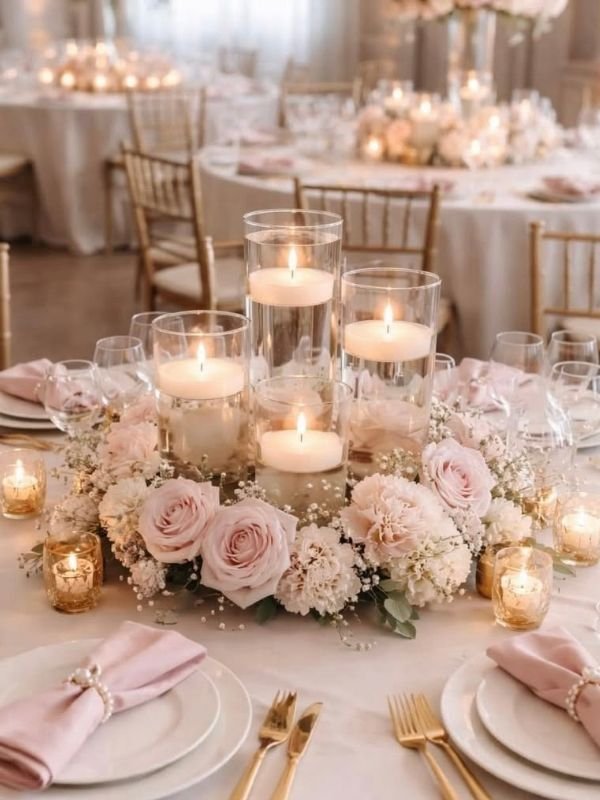
If you prefer a little contrast, choose napkins in a complementary shade. For example, ivory tablecloths paired with sage green napkins create a fresh, elegant combination. Dusty blue napkins can introduce a subtle hint of color, while blush pink can add a romantic touch.
Texture is another detail worth considering. Linen tablecloths and napkins have a relaxed, natural appearance that suits garden and countryside weddings. Smooth fabrics, on the other hand, can create a more formal finish.
You can also leave beautiful wooden tables uncovered if the venue’s furniture complements the wedding style. In this case, simple runners, coordinated napkins, and understated centerpieces can provide enough decoration without covering the natural surface.
Whatever you choose, keep the overall arrangement balanced. The linens should support the flowers, tableware, and other details rather than compete with them.
A well-chosen foundation makes it easier to create an elegant tablescape using relatively few decorations.
Use Candlelight to Create a Romantic Atmosphere
Candlelight can make wedding reception tables feel intimate and inviting, especially during an evening celebration. Its soft glow adds warmth to the setting and complements flowers, glassware, and neutral table linens.
For a simple arrangement, place a few candles in glass holders along the center of each table. You can use candles of different heights to create visual interest while keeping the overall design understated.
Taper candles are particularly suitable for classic wedding tables. Placed in elegant holders, they add height and create a graceful silhouette. Short votive candles offer a more subtle appearance and can be arranged between small floral arrangements.
For a modern wedding, consider using simple glass candle holders with clean lines. Gold or brass holders may complement a more traditional reception, while black holders can introduce contrast to a contemporary tablescape.
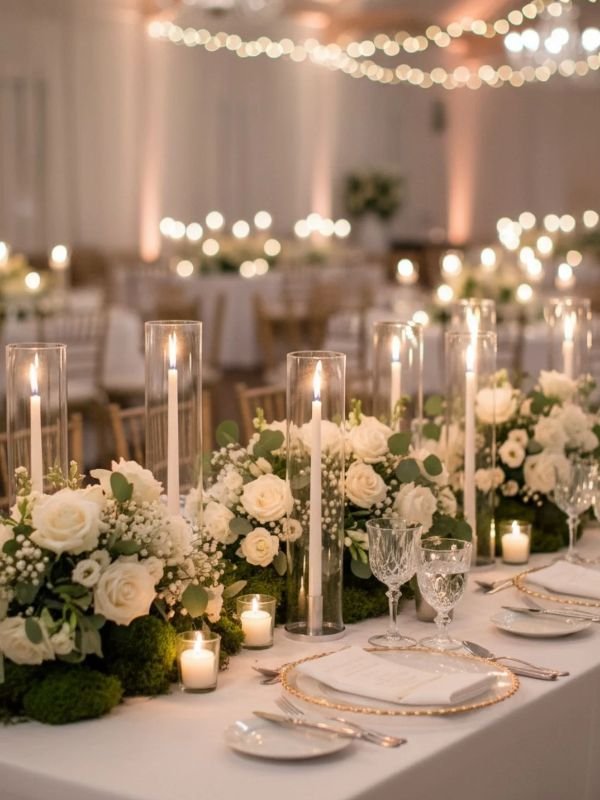
The important thing is to avoid overcrowding the table. A small number of thoughtfully positioned candles can have more impact than a large collection of unrelated accessories.
Candle placement also requires practical consideration. Ensure that flames are kept away from flowers, loose fabric, paper stationery, and other flammable materials. Follow the venue’s rules, particularly if the reception takes place outdoors or beneath fabric decorations.
If open flames are not permitted, battery-operated candles can provide a similar decorative effect. Choose options with a warm glow and a finish that complements the table setting.
Candlelight works especially well when combined with other lighting throughout the venue. Soft overhead lights, carefully positioned lanterns, and illuminated pathways can help create a consistent atmosphere from the reception entrance to the dining area.
For couples who want a romantic reception without elaborate decorations, candles offer a simple way to make the tables feel special.
Add a Delicate Table Runner for Extra Texture
A table runner can transform a plain table into a beautifully styled setting without requiring numerous decorative accessories.
Unlike a full tablecloth, a runner covers only the center of the table, allowing the surface beneath it to remain visible. This makes it a useful choice for wooden tables, minimalist receptions, and celebrations where the couple wants to keep the decor simple.
For a classic romantic wedding, consider a soft ivory or champagne runner. These shades work well with white flowers, clear glass vases, and elegant tableware.
A sage green runner can introduce a natural element, especially when paired with greenery and neutral linens. For a more relaxed countryside celebration, textured fabric in beige or muted terracotta may complement wooden furniture and seasonal flowers.
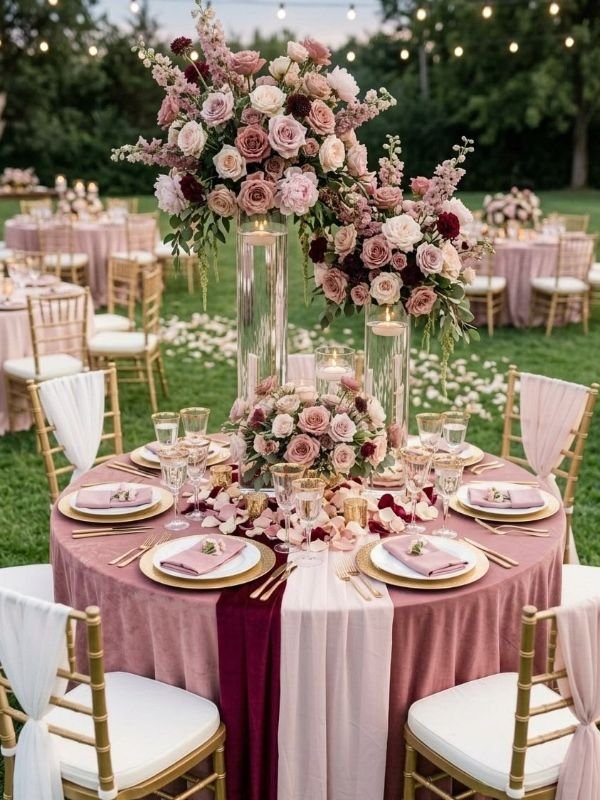
The material can also influence the mood. Linen creates an understated, organic appearance, while satin offers a smoother finish suited to a more formal reception. Light, flowing fabric may be appropriate for some outdoor settings, although it needs to be secured properly if wind is expected.
A runner can also serve as the foundation for the centerpiece arrangement. Place small vases, candle holders, and other decorative details along its length to create a coordinated design.
However, avoid filling every available space. Leave enough room for plates, glasses, serving dishes, and comfortable conversation.
If the tables already feature attractive wood grain or another distinctive surface, you may not need a runner at all. A few small arrangements placed directly on the table can create an equally beautiful result.
The goal is to introduce texture and visual interest while preserving the simplicity of the overall design.
Choose Simple Glass Vases for an Understated Look
Glass vases are versatile decorations that suit many wedding styles. Their transparent appearance allows flowers and greenery to remain the focus, making them especially useful when the couple wants an elegant tablescape without too many competing elements.
Small bud vases are an excellent option for simple reception tables. Each vase can hold a single flower or a few delicate stems, creating a light, natural arrangement.
For example, a collection of clear glass bud vases filled with white roses and greenery can look beautiful against ivory linens. On a table with a more colorful palette, the same vases can hold flowers in blush, peach, or dusty blue tones.
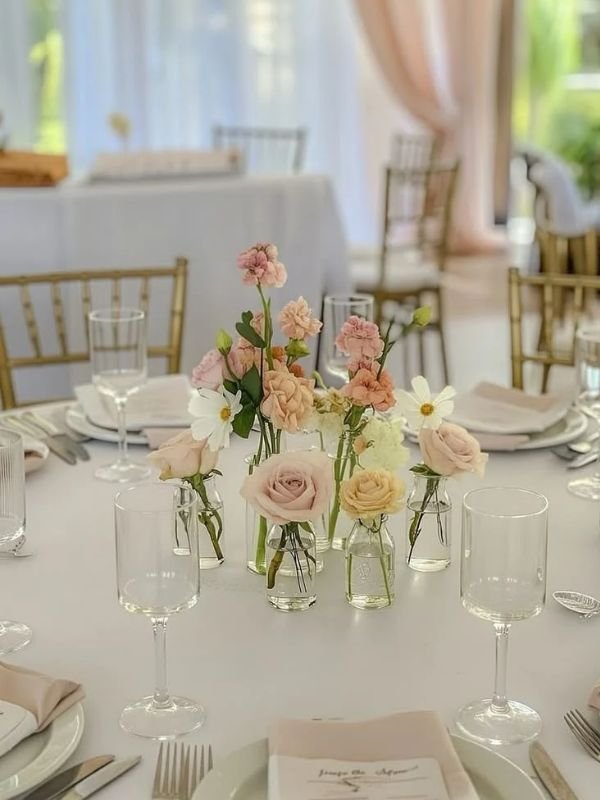
You can arrange the vases in small groups or space them evenly along the center of the table. Grouping a few different heights together adds depth, while repeating similar arrangements creates a more structured appearance.
Vintage-inspired glass bottles may suit a rustic wedding, whereas rounded or cylindrical vases can complement a modern celebration.
If you are decorating several tables, using the same type of glassware throughout can help maintain a cohesive look. You can vary the flowers slightly while keeping the containers consistent.
Glass also reflects light, which can complement candles and soft evening lighting. However, ensure that the vases are stable and positioned where guests are unlikely to knock them over.
This decoration idea is particularly useful for couples who want floral details without committing to large or elaborate centerpieces.
Personalize Each Place Setting With Beautiful Name Cards
Small personal touches can make a wedding reception feel thoughtful and welcoming. Place cards are a simple way to add personality to the table while helping guests find their assigned seats.
For an elegant look, choose cards with clean typography and a design that matches the wedding stationery. White or ivory cards with dark lettering are classic choices, while soft green, beige, or blush backgrounds can complement a coordinated color palette.
The cards can be placed directly above the dinner plates, tucked into a napkin fold, or displayed in small holders beside each setting.
Couples who prefer a natural style might use simple cardstock with a small sprig of greenery. A delicate ribbon or a subtle wax-seal detail can also introduce character without making the place setting feel overly decorated.
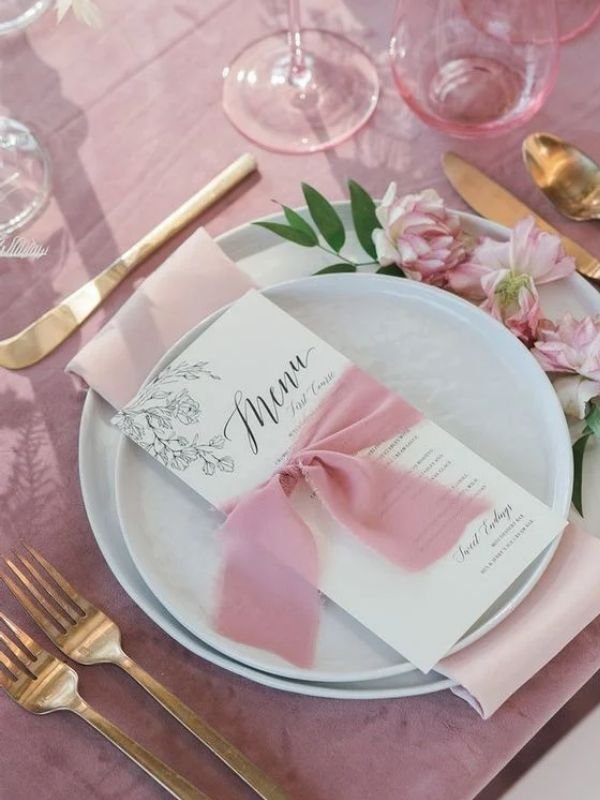
Handwritten names can create a personal appearance, particularly for intimate weddings. If the guest list is large, professionally printed cards may be more practical while still allowing the couple to choose a design that reflects their style.
For an extra thoughtful touch, consider using a short handwritten note for close family members or the wedding party. This is not necessary for every guest, but it can make certain place settings feel especially personal.
The cards should remain easy to read. Choose a suitable font size, maintain enough contrast between the lettering and background, and avoid placing the cards where flowers or other decorations obscure them.
Personalized stationery is a relatively small detail, but it helps guests feel considered and contributes to the overall finish of the tablescape.
Decorate With Greenery for a Fresh, Natural Appearance
Greenery can make wedding tables look beautiful without relying on elaborate floral arrangements. Its natural texture adds depth, softens the appearance of tableware, and works well with a wide range of wedding colors.
For a garden or countryside wedding, eucalyptus, suitable leafy branches, and other florist-approved foliage can be arranged along the center of a table. This creates a natural line that connects smaller decorative elements without requiring a large centerpiece.
If you prefer a more structured appearance, use small bunches of greenery in glass vases. These can be arranged between candle holders or placed beside the table numbers.
Greenery also pairs beautifully with white and neutral linens. The contrast creates a fresh appearance while allowing the natural colors to stand out.
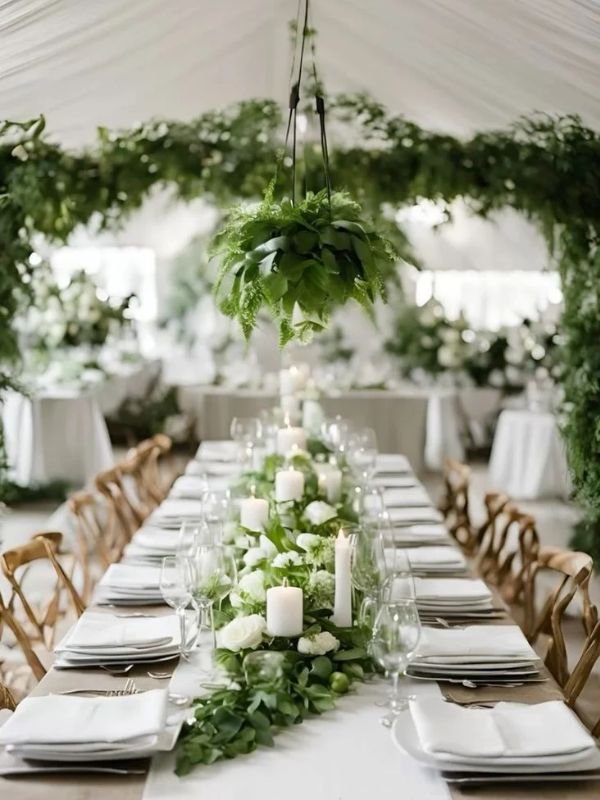
For a more contemporary design, consider combining foliage with clear glass, simple ceramic containers, and minimal stationery. If the reception has a rustic style, greenery can complement wooden tables, woven details, and understated floral arrangements.
One advantage of using foliage is that it can help create visual fullness. Depending on the varieties selected, greenery may allow you to achieve an attractive centerpiece without purchasing large quantities of flowers.
However, the arrangement should not become so dense that it interferes with dining. Keep foliage away from plates and serving areas, and make sure guests can see across the table comfortably.
It is also worth asking your florist which foliage is suitable for the venue’s temperature and conditions. Some varieties may wilt or lose their appearance more quickly in hot weather.
When arranged thoughtfully, greenery creates a relaxed elegance that feels especially appropriate for outdoor celebrations.
Introduce Gold Accents for a Touch of Elegance
Gold accents can give wedding tables a polished appearance without requiring expensive or elaborate decorations. When used sparingly, they add warmth and contrast while allowing the main elements of the tablescape to remain simple.
Gold cutlery, napkin rings, candle holders, and table number stands are all options worth considering. You do not need to use every type of accessory at once. Choosing one or two details and repeating them throughout the reception can create a coordinated finish.
For a classic wedding, gold accents work beautifully with white flowers, ivory linens, and clear glassware. For a warmer palette, they can complement champagne, beige, and blush pink.
If the wedding has a modern style, gold details can be paired with clean lines and understated centerpieces. In a romantic setting, delicate metallic accents may complement soft flowers and candlelight.
Balance is important. Too many metallic decorations can make the table look busy, particularly when combined with elaborate floral arrangements and patterned linens.
Consider the finish as well. Brushed or muted gold creates a softer appearance, while highly polished gold introduces a more noticeable shine.
You can also use gold in small stationery details, such as table numbers or menu borders. These touches help connect the table decorations to the wider wedding design.
Gold accents are most effective when they support the overall color palette rather than becoming the main attraction.
Use Beautiful Napkin Folds to Elevate the Table Setting
Napkins are practical items, but they can also become part of the wedding decoration. A thoughtful fold introduces shape and texture while helping each place setting look complete.
For a classic reception, a simple rectangular fold placed neatly on the dinner plate creates a clean appearance. A soft fold with a ribbon or napkin ring can add a little more detail without requiring complicated styling.
If the wedding has a romantic theme, consider using linen napkins in ivory, blush, sage green, or another shade that complements the table linens. The color can provide a subtle contrast while maintaining a coordinated look.
A napkin can also hold a menu card or a small sprig of greenery. These details are particularly effective when the rest of the place setting is relatively simple.
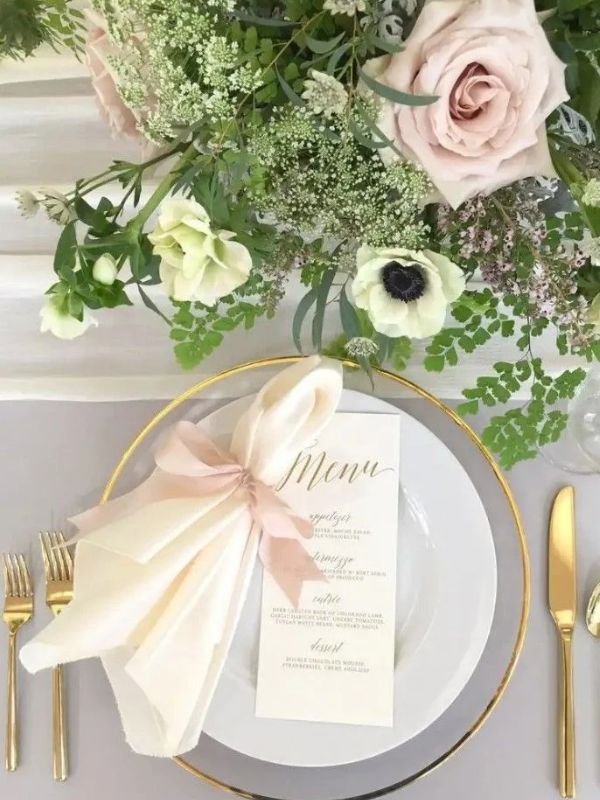
For a more formal wedding, a carefully arranged fold can add structure to the table. However, elaborate folds are not necessary to create an elegant effect. Clean lines, suitable fabric, and consistent placement are often enough.
Think about the practical side as well. Napkins should remain easy for guests to use, and any ribbons or accessories should not make them difficult to unfold.
If the reception includes many tables, choose a fold that the venue team can reproduce consistently. This helps maintain the appearance of the tables throughout the room.
Beautiful napkin styling demonstrates how small details can improve a tablescape without requiring additional furniture or expensive decorations.
Make Table Numbers Part of the Decoration
Table numbers help guests locate their seats, but they can also contribute to the overall appearance of the reception.
Instead of choosing generic numbers that clash with the wedding design, select holders and stationery that complement the centerpieces, linens, and other table accessories.
For a minimalist wedding, simple cards in clean frames may be all you need. White cards with dark lettering can create a timeless appearance, while neutral backgrounds may suit a softer palette.
A rustic reception might feature wooden table number holders, while a more formal celebration could use glass or metallic stands.
Table numbers can also be displayed in small frames or attached to suitable decorative bases. If flowers or candles are already part of the centerpiece, keep the number display relatively understated so that it remains easy to read.
Typography matters. A clear font is especially important for older guests and for receptions with dim evening lighting. Position each number where guests can see it without moving other decorations.
For a personalized approach, couples can choose table names inspired by places they have visited, favorite books, meaningful dates, or shared interests. This can be a lovely option for an intimate wedding, although the names should remain easy for guests and staff to understand.
Whatever style you choose, consistency is important. Use the same design throughout the reception so the tables feel connected.
Thoughtfully designed table numbers serve a practical purpose while adding another layer of detail to the wedding decor.
Bring Texture to the Tables With Natural Materials
Natural materials can make wedding tables feel warm, relaxed, and inviting. They are particularly effective for outdoor weddings, countryside venues, and celebrations that favor understated styling.
Wood is one option. Exposed wooden tables can provide a beautiful foundation for flowers, glassware, and simple place settings. If the tables need covering, a neutral linen runner can introduce texture while allowing part of the wood to remain visible.
Woven placemats, rattan accessories, and carefully selected ceramic pieces can also add interest. These materials work well when the overall design is relaxed rather than highly formal.
For a garden wedding, natural textures can be combined with greenery and seasonal flowers. A small arrangement of white blooms in a ceramic vase, for example, can look beautiful on a wooden table with linen napkins.
The key is to avoid combining too many unrelated materials. Choose two or three complementary textures and repeat them throughout the reception.
Natural materials should also suit the venue and practical requirements. Outdoor tables may be exposed to moisture, uneven ground, or changing temperatures, so accessories should be suitable for the conditions.
If the venue already features attractive wooden furniture or stone surfaces, allow those materials to remain visible. Adding too many decorations can hide the features that make the location distinctive.
A few natural details can create a welcoming atmosphere while keeping the tables simple and elegant.
Add Small Floral Details to the Napkins
Flowers do not need to appear only in centerpieces. A small bloom or sprig of greenery placed on each napkin can introduce a delicate finishing touch.
For a romantic wedding, a single rosebud, a small seasonal flower, or a modest sprig of suitable foliage can complement the place setting without taking up additional table space.
The flower should coordinate with the centerpiece rather than introduce an unrelated color. If the main arrangements feature white and blush flowers, for example, a similar bloom on the napkin can help connect the different elements.
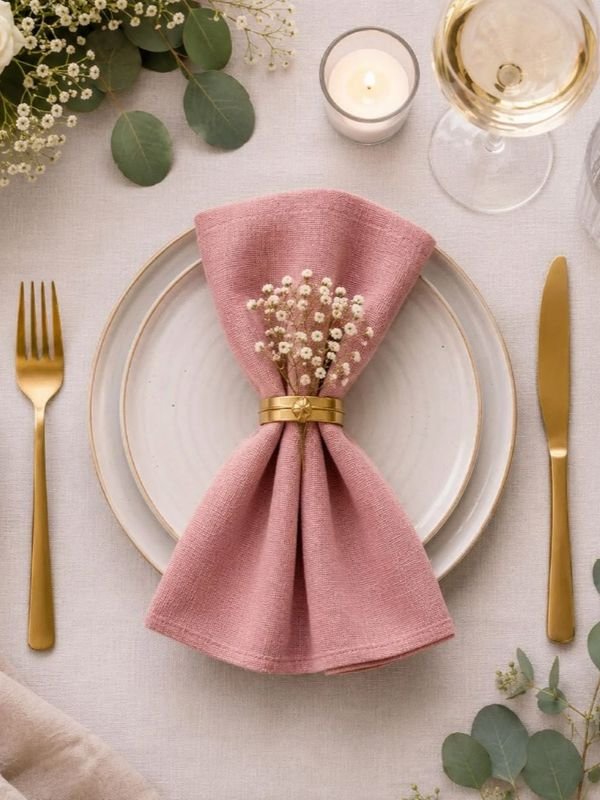
You can place the flower on top of a folded napkin or secure it with a suitable ribbon. For a minimalist design, leave the napkin otherwise undecorated so the natural detail remains the focus.
Fresh flowers need careful handling. Some varieties may bruise easily or lose their appearance in warm conditions, so ask the florist which options will remain attractive throughout the reception.
If the couple wants to avoid fresh flowers at every place setting, small decorative sprigs or reusable botanical details may provide a suitable alternative.
This idea is especially useful for couples who appreciate thoughtful details but do not want to overcrowd their tables with additional accessories.
Keep the Centerpieces Low and Uncomplicated
Centerpieces help define the appearance of a wedding table, but they should not interfere with the guest experience.
Low arrangements are particularly useful because they allow guests to see and speak to one another comfortably. This is important during a reception, where conversation is part of the celebration.
A small vase of flowers, a few candles, and a modest amount of greenery can create a balanced centerpiece without requiring a complicated arrangement.
For a modern wedding, consider a single sculptural vase with a few carefully selected stems. For a romantic reception, a low collection of roses and greenery may create a softer effect.
You can also use a combination of small elements rather than relying on one large centerpiece. For example, two bud vases, a candle holder, and a small table number display can create an attractive arrangement when grouped thoughtfully.
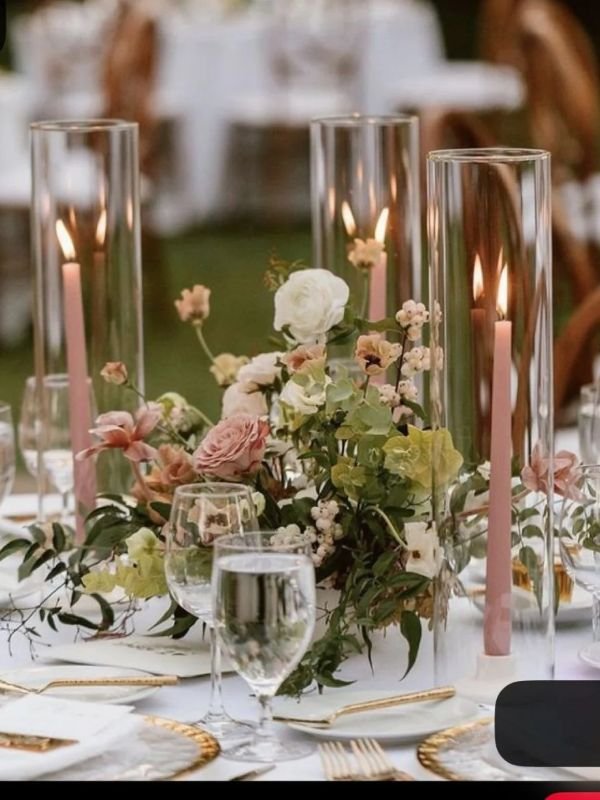
Keep the height and spacing consistent across the tables. If one arrangement is considerably larger than the others, it may make the reception feel less cohesive unless the difference is intentional.
The centerpiece should also leave enough room for plates, glasses, serving dishes, and other items guests need during the meal.
Simple centerpieces are often easier to transport, arrange, and maintain than elaborate installations. They can also be a practical option when the wedding includes many reception tables.
The most important consideration is balance: the centerpiece should enhance the table without dominating it.
Coordinate the Table Decorations With the Wedding Theme
Beautiful wedding tables rarely feel disconnected from the rest of the celebration. Their colors, materials, and decorative details should complement the ceremony space, flowers, stationery, and overall venue design.
For a classic romantic wedding, ivory linens, white flowers, glass vases, and delicate candle holders can create a timeless tablescape.
A garden wedding may benefit from greenery, seasonal flowers, natural textures, and soft colors that complement the landscape.
For a modern minimalist celebration, keep the palette restrained and choose simple shapes, clean stationery, and carefully spaced decorations. The beauty comes from the balance between the elements rather than the number of accessories.
A rustic wedding might feature wooden tables, linen napkins, small floral arrangements, and understated ceramic details. These materials can create warmth without making the tables look overly styled.
Once the theme has been established, use it as a guide when selecting individual decorations. This makes it easier to decide which accessories belong in the design and which ones might create unnecessary visual clutter.
It can also help to prepare a sample table before the wedding. Seeing the linens, flowers, candles, plates, and stationery together makes it easier to identify anything that feels out of place.
Take photographs of the finished sample in lighting similar to the reception conditions. This gives the decorator and venue team a clear reference for reproducing the look.
A coordinated design does not mean every table must look identical. Small variations can add interest, provided the colors and materials remain consistent.
Frequently Asked Questions
How can I decorate wedding tables simply but beautifully?
Start with a cohesive color palette and a few carefully chosen elements. Neutral linens, small floral arrangements, candle holders, and coordinated place settings can create an elegant look without overcrowding the tables. Focus on balance and make sure guests have enough room to dine comfortably.
What are the most affordable wedding table decorations?
Affordable options include seasonal flowers, greenery, simple glass vases, printed table numbers, fabric napkins, and suitable battery-operated candles. Renting table accessories may also be less expensive than purchasing everything. The best choices depend on the venue, the number of guests, and the overall decoration budget.
What colors are best for wedding table decorations?
White, ivory, champagne, sage green, blush pink, dusty blue, and beige are versatile options. The right combination depends on the wedding theme and venue. Choose colors that complement the flowers, linens, and surrounding environment rather than introducing too many unrelated shades.
How do I make wedding tables look elegant without using many flowers?
Use a combination of textured linens, candle holders, greenery, attractive glassware, and coordinated stationery. A small centerpiece can be enough when the surrounding details work together. You can also use natural materials or carefully arranged table runners to add interest.
Should every wedding table decorations have the same centerpiece?
Not necessarily. Using the same centerpiece on every table creates a consistent appearance, but some couples prefer a mixture of similar arrangements. For example, one table may feature small vases while another has a slightly different combination of flowers and candles. Keep the color palette and overall style consistent so the reception still feels coordinated.
How can I decorate long wedding reception tables?
Long tables can be styled with a continuous greenery runner, regularly spaced flower arrangements, candles, or a combination of small decorative elements. Keep the arrangements low enough for comfortable conversation and leave adequate room for dining essentials. Repeating the same elements along the table helps create a balanced appearance.
What should I avoid when decorating wedding tables?
Avoid overcrowding the tables with too many decorations, choosing centerpieces that block guests’ views, or introducing colors and materials that clash with the wedding theme. Consider the practical requirements of dining, the stability of decorative items, and the venue’s rules regarding candles and other accessories.
Conclusion On Wedding Table Decorations
Beautiful wedding table decorations do not have to be complicated. With a thoughtful color palette, a few well-chosen flowers, elegant linens, and carefully arranged details, couples can create a reception that feels welcoming and memorable.
The most effective designs balance appearance with practicality. Guests should have enough room to eat comfortably, see one another across the table, and enjoy the celebration without navigating an overcrowded arrangement.
If you prefer the timeless beauty of white flowers, the warmth of candlelight, or the natural charm of greenery and wooden details, choose decorations that reflect the atmosphere you want to create.
Remember that consistency often matters more than extravagance. When the colors, textures, and accessories complement one another, even the simplest tablescape can look polished and beautiful.
Above all, let the decorations support the celebration rather than distract from it. The flowers, linens, candles, and place settings help create the atmosphere, but the laughter, conversations, and shared moments around the tables are what make the wedding reception truly special.