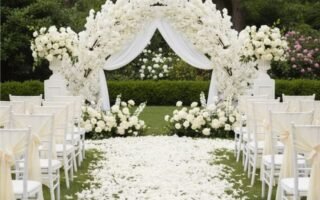
How to Choose the Perfect Wedding Venue: A Complete Guide for Couples.
Choosing a wedding venue is one of the most important decisions couples make when planning their wedding. The location influences almost every aspect of the celebration, from the number of guests you can invite to the decorations, catering arrangements, photography, and overall atmosphere of the day.
For some couples, the perfect venue is a beautiful garden surrounded by flowers and greenery. Others dream of exchanging vows on a beach, celebrating in an elegant hotel ballroom, or hosting an intimate gathering at a private estate. With so many possibilities available, finding a venue that suits your preferences, budget, and practical needs can feel overwhelming.
The challenge is not simply finding a beautiful place. You also need to consider how comfortable your guests will be, whether the venue can accommodate your plans, what services are included in the rental price, and how the location will work with your wedding schedule.
A venue that looks stunning in photographs may not necessarily be the most suitable choice for your celebration. It might have limited parking, strict decoration rules, insufficient seating, or additional fees that stretch your budget. On the other hand, a less elaborate space may become an exceptional wedding venue with thoughtful styling and the right arrangements.
Taking time to evaluate your options before making a booking can help you avoid unnecessary expenses and reduce stress during the planning process.
If you are preparing for your wedding and want to find a location that brings your vision to life, this guide explains how to choose the perfect wedding venue while keeping your budget, guests, and overall experience in mind.
Here are Simple Wedding Table Decorations Ideas That Look Absolutely Beautiful
Start by Defining Your Wedding Vision
Before visiting venues or contacting booking managers, take some time to decide what you want your wedding to feel like.
Having a clear vision makes it easier to narrow your options and identify locations that complement your preferred style. Without one, you may find yourself considering venues that look attractive individually but do not fit the celebration you have in mind.
Start by discussing your expectations with your partner. Think about the atmosphere you want to create, the type of ceremony you prefer, and how you would like your guests to experience the day.
You may picture a formal celebration with elegant table settings, carefully arranged flowers, and a sophisticated reception. Alternatively, you might prefer a relaxed outdoor wedding with natural scenery, simple decorations, and an informal dining arrangement.
Neither approach is better than the other. The right venue is one that reflects your preferences and supports the kind of celebration you want.
Decide on Your Wedding Style
Your wedding style can influence the types of venues worth considering.
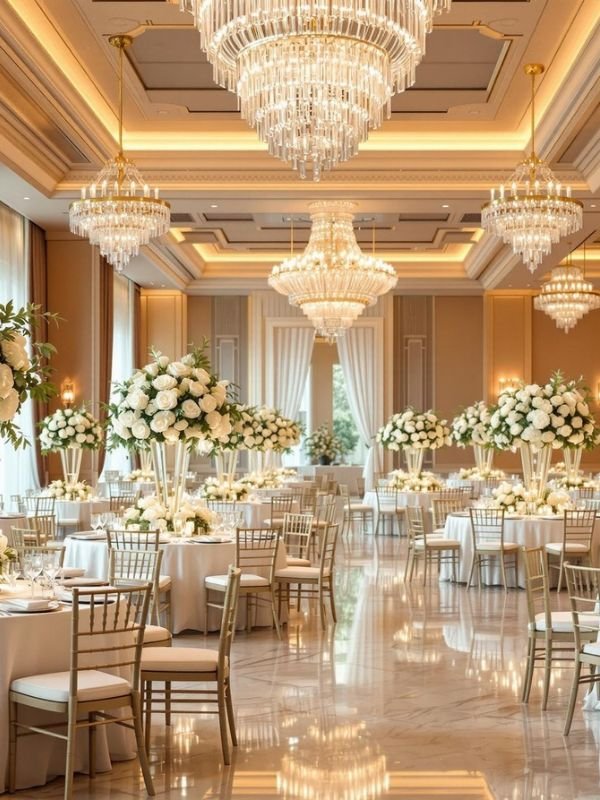
A classic wedding may suit a hotel ballroom, historic building, or elegant event hall. These spaces often provide a formal setting that works well with traditional decorations, elaborate floral arrangements, and structured seating plans.
Couples who prefer a rustic aesthetic might consider a barn, countryside estate, vineyard, or garden venue. Natural materials, wooden furniture, greenery, and warm lighting can complement these surroundings.
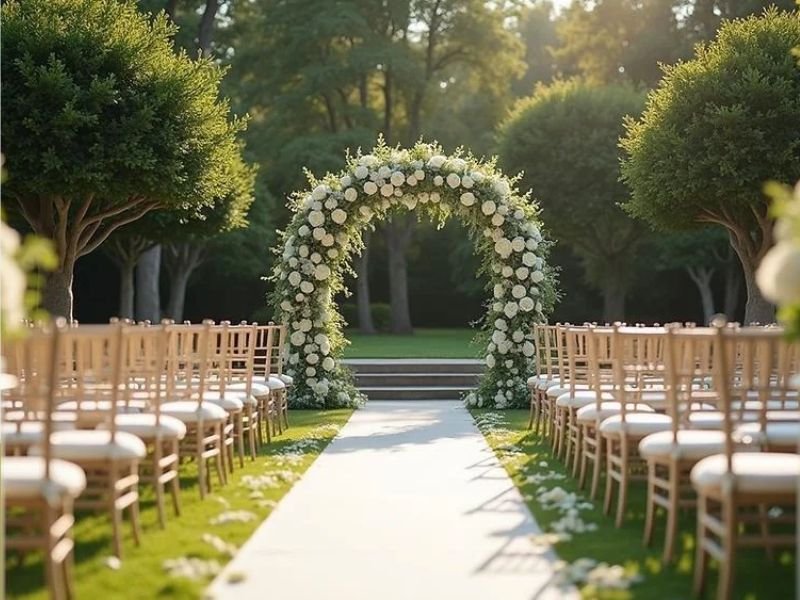
For a romantic outdoor celebration, a garden, private estate, or beachfront location may provide an attractive setting. Natural scenery can contribute to the atmosphere and reduce the amount of decoration needed in certain areas.
Modern weddings may suit contemporary event spaces with clean architectural lines, neutral interiors, and flexible layouts. These venues can work well for couples who prefer understated styling or more dramatic decorative installations.
If you are planning an intimate wedding, a small restaurant, private dining room, boutique hotel, or family property may provide a comfortable environment.
Consider collecting photographs of venues, decorations, and wedding styles that appeal to you. Look for common features across the images, such as natural surroundings, modern interiors, or romantic lighting. These patterns can help you understand the atmosphere you want to create.
Preparing for your wedding ? Go through these articles and see Top Bridal Makeup Tips for the Bride-to-Be: A Complete Guide
Decide Which Elements Matter Most
You may have several priorities, but it helps to identify the ones that matter most to you and your partner.
For example, you may care most about having an outdoor ceremony, accommodating a large family, staying within a particular budget, or choosing a venue with beautiful photography opportunities.
Write down your main priorities before beginning your search.
This can help you make decisions when two venues offer different advantages. One may have more attractive scenery, while another may provide better facilities and a more convenient location.
Rather than choosing based entirely on appearance, consider which venue best supports the parts of the wedding that matter most to you.
Establish Your Wedding Budget Before Booking
Your budget is one of the biggest factors to consider when choosing a wedding venue.
It is easy to become attached to a beautiful location before understanding the full cost of hosting a celebration there. Unfortunately, the advertised rental price may cover only part of the expense.
Establishing a realistic budget before you begin visiting venues can help you focus on suitable options and avoid committing to a location that creates financial pressure.
Understand the Total Venue Cost
When comparing venues, ask for a clear breakdown of the costs involved.
The basic rental fee may cover the use of the space for a specific period, but additional charges can apply. Depending on the venue, these may include furniture rental, cleaning, security, staffing, lighting, catering, setup, and overtime fees.
Some locations also require couples to use approved caterers, decorators, or other service providers. These arrangements can affect the overall cost because you may have limited freedom to choose less expensive alternatives.
Ask whether taxes, service charges, and administrative fees are included in the quoted price. If the venue requires a refundable security deposit, confirm the conditions for receiving it back.
A detailed quotation makes it easier to compare venues accurately.
For example, one venue may advertise a lower rental fee but require you to hire tables, chairs, and lighting separately. Another may charge more initially but include these essentials in the package.
The second venue could offer better overall value, depending on the services included and the prices charged by outside suppliers.
Check out these article on Outdoor Wedding Decoration Ideas for a Romantic Celebration that you will find useful.
Remember That Venue Costs Affect Other Wedding Expenses
Your venue budget should work alongside the rest of your wedding plans.
If you spend too much on the location, you may have less money available for photography, catering, flowers, entertainment, transportation, and other priorities.
Before booking, estimate the major expenses involved in your celebration. This gives you a clearer understanding of how much you can comfortably allocate to the venue.
It is also sensible to keep some money aside for unexpected costs. Changes in guest numbers, additional equipment, weather-related arrangements, or last-minute requirements can affect the final budget.
Avoid committing every available fund to the venue alone.
A beautiful wedding does not require choosing the most expensive location. A thoughtfully selected space that meets your needs can provide an excellent setting without putting unnecessary pressure on your finances.
Ask About Payment Terms and Cancellation Policies
Before paying a deposit, read the venue’s booking terms carefully.
Find out how much you must pay upfront, when the remaining balance is due, and whether payments can be made in instalments.
You should also understand the cancellation and postponement policies.
Ask what happens if you need to change your wedding date, reduce the guest count, or cancel the event because of circumstances beyond your control.
Some venues offer limited flexibility once a booking is confirmed. Others may allow date changes subject to availability and additional charges.
Do not rely entirely on verbal promises. Request written confirmation of important agreements, including payment deadlines, refund conditions, and any special arrangements.
Understanding these details before signing can help protect you from unpleasant surprises later.
Choose a Venue That Can Accommodate Your Guest List
The number of people attending your wedding has a direct influence on the type of venue you should choose.
A location that feels spacious and comfortable for 80 guests may be unsuitable for 250 people. Similarly, a large hall may feel empty and impersonal when used for a small gathering.
Before booking, develop a realistic estimate of your guest numbers.
You do not need a perfectly finalized guest list at the beginning of your search, but you should have a reasonable idea of the expected attendance.
Consider Comfortable Seating and Movement
A venue’s maximum capacity does not necessarily indicate how comfortably it can accommodate your wedding.
Some venues advertise their capacity based on standing guests, while others calculate it using banquet seating, theatre-style seating, or different room arrangements.
Ask how many guests the venue can accommodate using your preferred layout.
If you plan to have dining tables, a dance floor, a stage, a gift table, or a large floral installation, these features will occupy additional space.
Guests should be able to move between tables without squeezing through narrow gaps. There should also be enough room for staff to serve food and clear tables efficiently.
For outdoor ceremonies, consider how the seating arrangement will affect the view of the couple and the comfort of guests in the back rows.
If elderly relatives or guests with mobility needs will attend, make sure the layout provides convenient access to seating, toilets, and other essential facilities.
Think About the Different Parts of Your Celebration
Some weddings take place entirely in one location, while others involve a ceremony at one venue and a reception at another.
If you are hosting both events in the same place, confirm that the venue can accommodate the arrangements you need.
You may require space for the ceremony, dining, speeches, dancing, and photographs. If these activities will happen in the same room, ask whether the venue staff can rearrange the furniture between different parts of the celebration and how much time this will take.
For a wedding with separate ceremony and reception spaces, consider the distance between them and whether guests can move between the areas easily.
A well-planned layout helps the day progress smoothly and reduces confusion for guests.
Avoid Booking a Venue That Is Too Small
Trying to accommodate too many people in a limited space can make the celebration uncomfortable.
Tables may become crowded, walkways may narrow, and guests may struggle to move around the room. The venue may also have restrictions that prevent you from exceeding its approved capacity.
Always ask the venue manager to confirm the maximum permitted guest number and whether your preferred layout is feasible.
If your guest list is larger than expected, consider a different space rather than assuming the venue can simply accommodate additional chairs.
Comfort should be a priority when choosing your wedding location.
Consider the Venue’s Location and Accessibility
A venue may look beautiful, but its location can affect how easily your guests reach the celebration.
Consider where most of your guests will be travelling from, how they will get there, and whether the journey is manageable for people of different ages and mobility levels.
A convenient location can reduce travel-related stress and make it easier for guests to arrive on time.
Consider Travel Time and Transportation
If most of your guests live in the same city, choosing a venue within a reasonable travelling distance may make attendance easier.
However, the closest venue is not automatically the best choice. You should also consider traffic patterns, road conditions, public transportation, parking, and the time of day your ceremony will begin.
If guests will be travelling from other towns or countries, consider how they will reach the venue from the airport, train station, bus terminal, or their accommodation.
For weddings in remote or countryside locations, you may need to arrange transportation or provide clear directions.
Share the venue’s address and arrival instructions with guests well before the wedding day.
For large celebrations, you may also want to consider whether a shuttle service would be useful, especially if parking is limited or guests will be staying at several different hotels.
Check Parking Availability
Parking is an important practical detail that couples sometimes overlook when selecting a venue.
Ask how many vehicles the venue can accommodate and whether the parking area is reserved for wedding guests.
If the venue has limited parking, find out whether there are nearby alternatives and whether they will be available on your wedding date.
Consider the safety of the parking area, its distance from the entrance, and whether guests will need to walk through poorly lit or uneven areas.
If many guests will arrive by car, insufficient parking can cause delays and frustration.
A convenient parking arrangement can make the experience easier for guests, particularly those arriving with children or older family members.
Planning a honey moon can be hectic sometimes, I drafted an article on Best Romantic Christmas Honeymoon Vacations for Newlyweds
Consider Accommodation for Out-of-Town Guests
If guests will travel long distances to attend your wedding, accommodation may become an important part of your venue decision.
A hotel with event facilities may be convenient because some guests can stay in the same building where the celebration takes place.
If you are booking a garden, estate, or independent event hall, investigate nearby hotels, guesthouses, and other suitable accommodation.
Check approximate travel times between the accommodation and the venue. A property that appears nearby on a map may take considerably longer to reach because of traffic or road conditions.
You may also want to ask local accommodation providers about group rates, room availability, and booking deadlines.
Providing guests with several accommodation options can help them choose arrangements that suit their budgets.
Think About Accessibility for All Guests
Accessibility should be part of your venue assessment from the beginning.
Ask whether the location has step-free entrances, accessible toilets, suitable pathways, and convenient seating arrangements for guests who use wheelchairs or have difficulty walking.
If the venue has several floors, check whether lifts are available and whether all important areas can be reached without stairs.
For outdoor locations, inspect the ground conditions. Grass, gravel, sand, and uneven pathways can make movement difficult for some guests.
If children will attend, consider whether the layout is safe and whether there is enough space for families to move around comfortably.
Choosing an accessible venue helps more guests participate in the celebration with dignity and comfort.
Decide Between an Indoor and Outdoor Wedding Venue
One of the major decisions couples face is whether to hold their wedding indoors, outdoors, or across a combination of both settings.
Each option has advantages and practical considerations. The best choice depends on your wedding vision, location, budget, season, and the experience you want to create.
Indoor Wedding Venues
Indoor venues include hotel ballrooms, event halls, restaurants, historic buildings, and other enclosed spaces.
One advantage is greater protection from changing weather conditions. Rain, strong wind, and excessive heat may be less disruptive when the ceremony and reception take place in a suitable indoor environment.
Indoor spaces may also offer facilities such as restrooms, electrical outlets, air conditioning, lighting systems, and designated preparation rooms.
These features can make planning easier, especially for larger weddings.
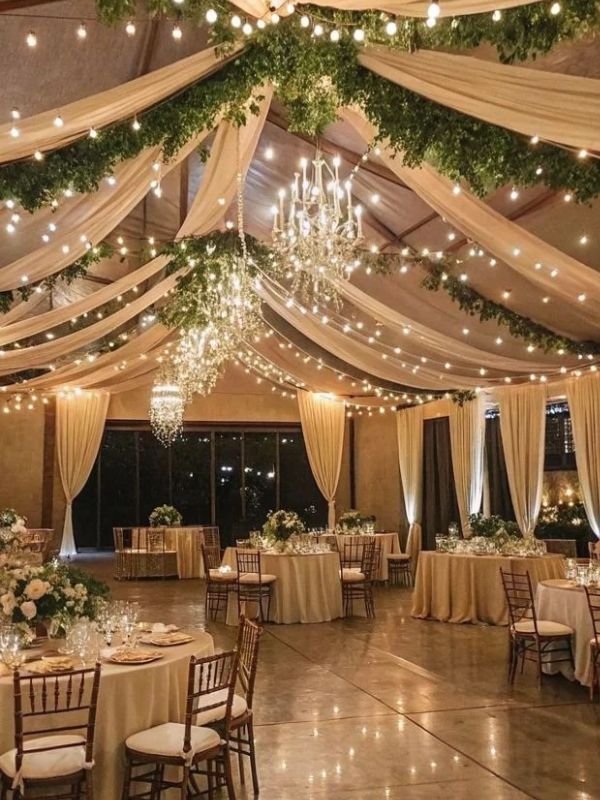
However, indoor venues vary considerably. Some have strict decoration policies, limited natural light, or restrictions on entertainment and catering.
Visit the venue to assess its layout, ventilation, lighting, and overall condition. Ask whether the space will be exclusively available to your wedding party and whether another event will take place nearby on the same day.
An indoor venue should provide the practical facilities and atmosphere you need for your celebration.
Outdoor Wedding Venues
Outdoor venues can include gardens, beaches, vineyards, private estates, courtyards, and countryside properties.
These locations may provide natural scenery that contributes to the wedding atmosphere. Trees, flowers, water features, and open landscapes can also create attractive backgrounds for photographs.
Outdoor weddings may offer more flexibility in arranging the ceremony and reception, although the venue’s rules and physical layout will determine what is possible.
Weather is one of the biggest considerations.
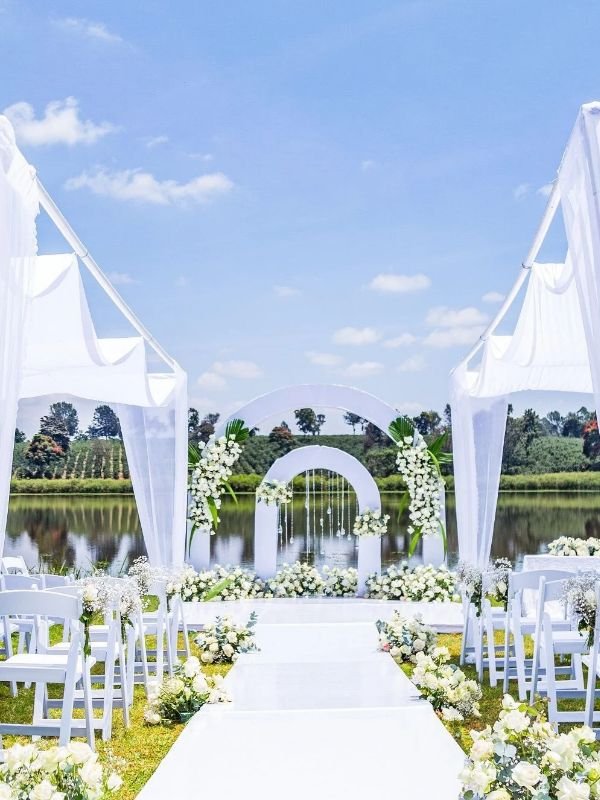
Rain, heat, wind, humidity, and changes in temperature can affect the comfort of guests and the condition of decorations.
Ask whether the venue has an indoor alternative, covered area, or suitable tenting options. Confirm whether these arrangements are included in the rental fee or require additional payment.
You should also check the availability of toilets, electricity, lighting, drinking water, and facilities for caterers.
Outdoor weddings can be beautiful, but successful planning requires attention to these practical details.
Consider a Venue With Both Indoor and Outdoor Spaces
Some venues offer the flexibility of holding the ceremony outdoors and the reception indoors.
For example, a couple may exchange vows in a garden before moving into a ballroom for dinner and dancing.
This arrangement can provide the benefits of natural scenery while offering a more protected setting for the later parts of the celebration.
However, you should consider the distance between the two areas and whether guests can move between them comfortably.
Ask how the venue handles unexpected weather and whether staff can move the ceremony indoors if necessary.
If you choose a venue with multiple spaces, confirm that each area is available for the full period you need.
Think Carefully About the Weather and Wedding Season
The time of year you choose for your wedding can influence which venues are suitable.
Weather conditions vary by region, so research the typical climate in your chosen location during the month of your celebration.
If you are planning an outdoor wedding, consider rainfall, temperature, humidity, wind, and the possibility of sudden changes.
Even locations known for pleasant weather can experience unexpected conditions.
Have a Backup Plan for Outdoor Ceremonies
A backup plan is essential when your wedding depends on outdoor conditions.
Ask the venue what happens if it rains or becomes too hot or windy for guests to remain comfortable outside.
Some venues provide indoor alternatives, covered terraces, or permanent shelters. Others may require couples to hire a tent or arrange another solution.
If you need to hire additional equipment, ask about the cost, setup time, and availability.
Make sure the alternative space can accommodate your guest list and preferred layout.
A backup plan should be practical rather than something you hope you will never need. Knowing what will happen if the weather changes can help you feel more confident as the wedding approaches.
Consider Guest Comfort in Different Conditions
Weather planning involves more than protecting the decorations.
Guests may need shade, drinking water, suitable seating, fans, heating, or other facilities depending on the environment.
For an outdoor ceremony in warm weather, consider whether guests will be sitting in direct sunlight for an extended period.
For a cooler setting, ask whether heating is available and whether the venue has sheltered areas.
If your celebration will take place on a beach, think about sand, wind, footwear, and the practical challenges of moving equipment across the location.
These details may seem small during the early planning stages, but they can have a significant effect on the guest experience.
Understand What the Venue Includes
Before booking a wedding venue, make sure you understand exactly what you are paying for.
Venue packages differ widely. Some offer an almost complete event service, while others provide only the space and require couples to arrange everything else independently.
Neither option is automatically better. What matters is understanding the arrangement and deciding whether it suits your budget and planning preferences.
Check Furniture and Equipment
Ask whether the venue provides tables, chairs, linens, and other basic furniture.
If these items are included, confirm whether there are enough for your guest count and whether you can choose the arrangement or style.
Some venues also provide stages, dance floors, lighting, sound equipment, or audiovisual facilities.
If you intend to use a projector, microphone, live band, or DJ, check the availability and condition of the necessary equipment.
If items must be hired separately, include those costs in your budget.
Ask About Catering Arrangements
Food is an important part of many wedding celebrations, and your venue’s catering policy can influence your plans.
Some venues have an in-house catering team, while others permit couples to hire an external caterer.
Certain locations require the use of approved suppliers or charge a fee when outside caterers are brought in.
Ask about menu options, dietary requirements, food service arrangements, kitchen facilities, and whether tastings are available.
If you are serving traditional dishes or planning a culturally specific menu, confirm that the caterer can prepare and serve the food you want.
You should also ask whether the venue provides drinking water, service staff, and facilities for storing food safely.
Understanding the catering arrangements early can help you avoid unexpected restrictions.
Review Decoration Restrictions
Your venue’s decoration policy can affect the overall appearance of your wedding.
Some spaces allow extensive customization, while others restrict installations, open flames, confetti, hanging decorations, or changes to the walls and ceilings.
If you want a floral arch, suspended lights, large backdrops, candles, or elaborate table arrangements, discuss these plans with the venue manager before booking.
Ask whether decorators can access the venue in advance and how much time they will have for setup.
You should also find out when decorations must be removed and whether cleanup is included in the rental agreement.
These details are especially important if you plan to use multiple vendors.
A venue that accommodates your preferred decorations can make it easier to bring your wedding vision to life.
Consider the Lighting and Photography Opportunities
Your wedding venue will become the setting for photographs you may treasure for years.
Although a skilled photographer can work in many environments, the venue’s lighting, scenery, and layout can influence the types of photographs available.
Consider how the location will look during the ceremony, portraits, dinner, and evening celebration.
Look at Natural Light
Natural light can create beautiful photographs, particularly during outdoor ceremonies and portraits.
If you are considering an indoor venue, check whether it has windows or architectural features that allow natural light into the space.
A room with limited daylight can still work well, but you may need to discuss additional lighting with your photographer.
For outdoor venues, ask where the ceremony will take place and how the sun’s position may affect guests and photographs at the planned time.
A beautiful location can feel less comfortable if the ceremony takes place in intense sunlight without adequate shade.
Check for Attractive Photography Locations
Some venues offer several places for photographs, including gardens, staircases, balconies, courtyards, water features, and architectural details.
These features can provide variety without requiring you to travel elsewhere for portraits.
If photography is a major priority, ask whether your photographer can visit the venue before the wedding or arrive early to assess the location.
You should also confirm whether any photography areas are restricted or shared with other events.
Remember that a venue does not need elaborate scenery to provide beautiful photographs. Thoughtful composition, good lighting, and meaningful moments can make even a simple location memorable.
Ask About Photography Restrictions
Some venues have rules about drones, photography equipment, restricted areas, or the use of certain spaces.
If you have hired a photographer or videographer, let the venue know what services they will provide.
Confirm whether vendors need special permission, insurance, or additional access arrangements.
If you plan to take photographs in nearby public areas, check whether permits or other permissions are required.
Clarifying these details in advance can help your photography team work without unnecessary interruptions.
Choose a Venue That Supports Your Wedding Theme
Your venue and decorations should work together to create a cohesive atmosphere.
The location does not need to dictate every design choice, but it can provide inspiration for your colour palette, flowers, furniture, lighting, and table arrangements.
Match the Setting to Your Preferred Decorations
A garden venue may complement flowers, greenery, soft fabrics, and natural materials.
An elegant ballroom may suit formal table settings, chandeliers, refined centrepieces, and a coordinated colour scheme.
A rustic property may work well with wooden furniture, seasonal flowers, warm lighting, and simple decorative details.
For a contemporary wedding, a modern venue with clean lines may provide an attractive background for minimalist arrangements.
These combinations are suggestions rather than strict rules. You can create contrast by using decorations that differ from the venue’s existing style.
However, choosing a space that naturally complements your design ideas may reduce the amount of decoration required.
Consider the Existing Interior
Before booking an indoor venue, pay attention to its existing features.
Look at the wall colours, flooring, ceilings, windows, furniture, and lighting fixtures.
These elements may influence which decorations will work well in the space.
For example, a room with strong wall colours or elaborate architectural details may require a different approach from a plain, neutral hall.
Ask whether you can remove or rearrange existing furniture and whether certain areas must remain unchanged.
Understanding the space’s permanent features will help you plan decorations more realistically.
Avoid Paying for Features You Do Not Need
Some venues offer extensive built-in decorations, luxury furnishings, or elaborate architectural details.
These features can be useful if they suit your wedding style, but you should not feel obliged to pay for them when they do not support your plans.
If you prefer simple decorations, a venue with an attractive interior may already provide enough visual interest.
Alternatively, a plain hall may offer more flexibility if you want to create a completely customized setting.
Consider the full cost of making the venue look the way you want before committing to it.
Check the Venue’s Rules, Policies, and Contract
A venue may meet your aesthetic and practical requirements, but its policies can still affect your wedding plans.
Before making a final decision, review the booking agreement and ask questions about any terms you do not understand.
Confirm the Booking Date and Available Hours
Make sure the venue is available on your preferred wedding date.
Ask what time you can access the property for setup and when the event must end.
Some venues charge extra for early access, extended celebrations, or late-night cleanup.
If your decorators, caterers, or photographers need additional time to prepare, confirm that the venue can accommodate their schedules.
You should also check whether the space will be exclusively reserved for your wedding or whether other events will take place in nearby areas.
Understand Noise Restrictions
Music and entertainment can contribute significantly to the atmosphere of a wedding reception.
However, venues may have rules regarding sound levels, live music, DJs, and the time entertainment must end.
Outdoor locations and properties near residential areas may have particularly important restrictions.
Ask about these policies before booking, especially if you plan to have a live band or a celebration that continues late into the evening.
Confirm whether the venue provides sound equipment or whether your entertainment team must supply it.
Review Vendor Policies
Some venues allow couples to hire any qualified vendor, while others maintain a list of approved suppliers.
If you already have a preferred decorator, caterer, photographer, or entertainment provider, ask whether they can work at the venue.
You should also find out whether outside vendors must pay access fees or provide insurance documentation.
If the venue requires you to use its own suppliers, request information about their services, pricing, and availability.
These restrictions can influence both your budget and the overall wedding experience.
Read the Contract Carefully
Before signing, review the agreement from beginning to end.
Pay attention to the rental fee, payment schedule, cancellation terms, liability requirements, damage deposits, overtime charges, and responsibilities for cleanup.
Check whether the contract specifies the rooms or outdoor areas included in the booking.
If you have agreed on special arrangements, make sure they appear in writing.
For significant financial commitments or unclear legal terms, consider obtaining independent professional advice before signing.
Never assume that a verbal discussion automatically changes the written agreement.
Visit the Venue Before Making Your Final Decision
Photographs and online descriptions can help you identify potential venues, but an in-person visit provides information that may not be obvious from promotional materials.
Whenever possible, arrange a visit before committing to a booking.
This allows you to inspect the space, assess the facilities, ask questions, and determine whether the venue meets your expectations.
Inspect the Entire Property
During your visit, look beyond the main ceremony or reception area.
Check the entrance, toilets, parking, preparation rooms, walkways, and any spaces that vendors will need to use.
Pay attention to cleanliness, maintenance, lighting, ventilation, and general safety.
If the venue has outdoor areas, inspect the ground conditions and drainage where relevant.
Look for practical issues such as uneven paths, insufficient shelter, limited electrical outlets, or areas that may become difficult to access in poor weather.
These observations can help you identify problems before they become part of your wedding-day experience.
Ask to See the Planned Layout
If possible, ask the venue manager to show you how the space could be arranged for your wedding.
You may want to understand where the ceremony will take place, how dining tables will be positioned, and where guests will sit during speeches.
Discuss the location of the dance floor, entertainment, buffet, gift table, and other features relevant to your plans.
If the venue has floor plans or sample layouts, request copies.
Visualizing the arrangement can help you determine whether the venue is large enough and whether guests will be able to move around comfortably.
Ask Questions During the Visit
Do not hesitate to ask the venue manager about anything that could affect your celebration.
Useful questions include:
- What is the maximum guest capacity for our preferred seating arrangement?
- What is included in the rental price?
- Are there additional service, cleaning, or security fees?
- Can we choose our own caterer and decorator?
- What happens if it rains during an outdoor ceremony?
- What time can our vendors begin setting up?
- When must the event finish?
- Are there restrictions on music, candles, or hanging decorations?
- Is parking available for guests?
- What are the payment and cancellation terms?
Take notes during each visit so you can compare the answers later.
It is easy to forget important details when viewing several venues, particularly if they all have attractive features.
Consider Safety, Security, and Essential Facilities
The appearance of a wedding venue matters, but safety and essential facilities should never be overlooked.
Couples should feel confident that the venue can accommodate their guests responsibly and provide the facilities required for a comfortable celebration.
Check Emergency Access and Safety Arrangements
Ask the venue manager about emergency exits, fire safety measures, and any capacity restrictions.
If the venue uses temporary structures, such as tents or stages, confirm that they will be installed and maintained appropriately.
For outdoor locations, consider access for emergency vehicles and whether guests can leave the property safely if conditions change.
The venue should be able to explain its basic safety procedures and responsibilities.
Assess Restroom Facilities
Restrooms are essential for guest comfort, especially at larger weddings or celebrations lasting several hours.
Check how many facilities are available, whether they are clean and well maintained, and whether they can accommodate your expected guest numbers.
If the venue has separate ceremony and reception areas, ask whether guests will have convenient access to toilets throughout the event.
For outdoor locations without permanent facilities, confirm whether suitable portable toilets must be arranged.
The number and accessibility of restrooms can make a noticeable difference to the overall experience.
Consider Security and Privacy
Ask whether the venue provides security staff or requires couples to hire their own.
For private properties or venues hosting large gatherings, security arrangements may be particularly important.
Clarify who will manage access to the event, protect equipment, and assist if an issue arises.
If you are hosting a private celebration, ask whether the venue will be shared with other events or members of the public.
Understanding the arrangements can help you determine whether the location provides the level of privacy you want.
Think About Your Guests’ Overall Experience
A wedding venue should be beautiful, but it should also help guests feel welcome and comfortable.
Consider what the experience will be like from the moment they arrive until the celebration ends.
Guests may need clear directions, convenient parking, accessible entrances, comfortable seating, suitable food, and places to rest during the event.
If the wedding involves a long ceremony followed by an extended reception, think about how guests will spend their time between activities.
For example, an outdoor wedding may benefit from shaded seating areas where guests can relax before the reception begins.
A venue with a separate lounge area may provide a comfortable space for older guests or anyone who needs a break from loud music.
If children will attend, ask about suitable facilities and whether the layout presents any particular safety concerns.
Small details can make the celebration more enjoyable for people of different ages and needs.
Understand the Advantages of All-Inclusive Wedding Venues
Some venues offer packages that combine the location with services such as catering, furniture, staffing, decorations, or coordination.
These packages can simplify planning because couples may need to manage fewer separate suppliers.
However, an all-inclusive venue is not automatically the cheapest or most suitable option.
Consider the Convenience of a Complete Package
A package may be attractive if you want a simpler planning process.
Having several services coordinated through one provider can reduce the number of separate arrangements you need to make.
It may also make scheduling easier because the venue’s team is familiar with the space and its requirements.
Before booking, ask for a detailed description of everything included.
Find out whether the package covers the services you actually need and whether the quality and style match your expectations.
Compare Packages With Separate Suppliers
If you have a particular caterer, decorator, or photographer in mind, a venue that allows outside vendors may offer more flexibility.
However, arranging separate suppliers requires additional coordination.
You will need to compare quotations, manage schedules, confirm delivery times, and make sure everyone understands the venue’s rules.
When comparing an all-inclusive package with a venue-only rental, calculate the complete cost of each option.
Include equipment, labour, transportation, setup, cleanup, and any mandatory fees.
This provides a more accurate comparison than looking at the headline rental price alone.
Know When to Book Your Wedding Venue
The timing of your booking can affect which venues are available and how much flexibility you have.
Popular venues may receive enquiries well in advance, particularly for weekends, public holidays, and traditionally busy wedding periods.
If you have a specific date or location in mind, begin researching options as early as practical.
Book After Establishing Your Main Priorities
Before paying a deposit, make sure you understand your expected guest numbers, budget, preferred location, and general wedding style.
You do not need every decorative detail finalized, but you should know enough to determine whether the venue can support your plans.
If you are considering multiple venues, compare their prices, availability, facilities, and policies before making a decision.
Avoid rushing into a booking simply because a venue looks impressive or because someone recommends it.
Be Flexible When Necessary
If your preferred venue is unavailable or outside your budget, consider adjusting your date, guest list, or location.
A weekday celebration or a date outside the busiest wedding period may provide additional options, depending on the venue and local demand.
You may also discover a smaller venue that offers the atmosphere you want at a more manageable cost.
Flexibility can help you find a suitable location without abandoning the overall vision for your wedding.
Common Mistakes to Avoid When Choosing a Wedding Venue
Even carefully planned weddings can encounter difficulties when important venue details are overlooked.
Understanding common mistakes can help you make a more informed decision.
Choosing a Venue Based Only on Appearance
Beautiful photographs can create a strong first impression, but they rarely show every practical detail.
A venue may look attractive online while having limited parking, insufficient restrooms, restrictive booking hours, or expensive additional charges.
Always consider how the location will function during your actual celebration.
Ignoring the Full Cost
The advertised rental fee may not reflect the total amount you will spend.
Additional expenses can include furniture, catering, decorations, staffing, security, transportation, and cleanup.
Ask for a detailed quotation and include the additional costs in your wedding budget.
Booking Before Estimating Guest Numbers
A venue that is too small may make guests uncomfortable, while an excessively large space may feel empty.
Estimate your guest count before booking and confirm that the venue can accommodate your preferred seating arrangement.
Forgetting About the Weather
Outdoor venues can be beautiful, but weather conditions are unpredictable.
Always ask about a backup plan and determine whether it involves additional costs.
Do not assume that a tent or indoor alternative will automatically be available on the day.
Overlooking Contract Details
Payment terms, cancellation policies, overtime charges, and decoration restrictions can affect your plans.
Read the agreement carefully and request written confirmation of important arrangements before signing.
Failing to Consider Guest Accessibility
A venue may be unsuitable for some guests if it has steep stairs, uneven pathways, limited parking, or inaccessible restrooms.
Consider the needs of your guest list and ask the venue about reasonable accessibility arrangements before making a decision.
Frequently Asked Questions About How to Choose the Perfect Wedding Venue
How Far in Advance Should You Book a Wedding Venue?
It is wise to begin researching venues as soon as your preferred wedding date and general plans are established.
Popular venues may book well in advance, especially for sought-after dates and busy wedding periods. The appropriate timeline varies by location, demand, and venue type.
Contact potential venues early to understand their availability and booking requirements.
What Should You Consider First When Choosing a Wedding Venue?
Start with your wedding budget, estimated guest count, preferred location, and general wedding style.
These factors will help you identify venues that are realistic and suitable for your plans.
You can then compare specific features, such as catering arrangements, decoration policies, parking, accessibility, and photography opportunities.
Is an Indoor or Outdoor Wedding Venue Better?
Neither option is automatically better.
Indoor venues may offer greater protection from changing weather and convenient facilities. Outdoor venues may provide natural scenery and a distinctive atmosphere.
Your choice should depend on your preferences, budget, location, season, guest needs, and backup arrangements.
How Much of the Wedding Budget Should Go Toward the Venue?
There is no single percentage that works for every couple because venue prices and wedding priorities vary.
Instead of relying on a fixed figure, estimate the cost of the major wedding expenses and determine how much you can comfortably allocate to the location.
Remember to include additional fees and leave room for unexpected expenses.
Should You Visit a Wedding Venue Before Booking?
Yes, an in-person visit is highly recommended whenever practical.
It allows you to inspect the space, assess the facilities, understand the layout, and ask questions that photographs may not answer.
If you cannot visit in person, request a live video tour, detailed photographs, floor plans, and written information about the venue’s facilities and policies.
What Questions Should You Ask Before Booking a Wedding Venue?
Ask about guest capacity, total cost, payment deadlines, cancellation terms, setup times, catering, decoration restrictions, parking, accessibility, and weather arrangements.
You should also confirm whether the venue will be exclusively available for your wedding and whether any additional charges may apply.
Request written confirmation of important agreements.
Can You Negotiate Wedding Venue Prices?
Some venues may offer flexibility depending on the date, package, season, or services included.
You can ask whether alternative dates, different packages, or adjustments to the included services could reduce the cost.
However, not every venue negotiates its prices, and discounts are never guaranteed.
Compare the complete cost and the value offered before making your decision.
What Is the Difference Between a Wedding Ceremony Venue and a Reception Venue?
A ceremony venue is the location where the couple exchanges vows or completes the formal part of the wedding.
A reception venue is where guests gather to celebrate afterward, often with food, speeches, music, and dancing.
Some couples use the same venue for both events, while others choose separate locations.
If you use two venues, consider the travel time, transportation arrangements, and schedule between the events.
Should You Choose a Wedding Venue Before Hiring Other Vendors?
Many couples choose their venue early because its availability and facilities influence other planning decisions.
Once the venue is confirmed, it may be easier to hire caterers, decorators, photographers, and entertainment providers.
However, if you have a particularly important vendor or a specific date in mind, you may need to coordinate the availability of both before making a final commitment.
What Should You Do if Your Preferred Wedding Venue Is Too Expensive?
Consider alternative dates, smaller guest numbers, different packages, or venues in nearby areas.
You may also find that a simpler location can provide the atmosphere you want with fewer decorations.
Compare the total cost rather than focusing only on the rental fee.
The goal is to choose a venue that supports your wedding plans without placing unnecessary pressure on your finances.
Conclusion On How to Choose the Perfect Wedding Venue
Choosing the perfect wedding venue involves balancing your vision with practical considerations. The right location should reflect your style, accommodate your guests, fit your budget, and provide the facilities needed for a comfortable and memorable celebration.
Begin by discussing your priorities with your partner and establishing a realistic budget. Consider your guest numbers, preferred location, transportation arrangements, and whether an indoor or outdoor setting would suit your plans.
Take time to compare venues, visit the properties where possible, and ask detailed questions about what is included in the rental fee. Pay close attention to booking policies, decoration restrictions, catering arrangements, accessibility, and backup plans for unexpected weather.
It is equally important to think about the people who will share the day with you. A beautiful venue becomes even more valuable when guests can arrive comfortably, move around easily, enjoy the facilities, and participate in the celebration without unnecessary difficulties.
Do not feel pressured to choose a venue simply because it is expensive, fashionable, or popular. Your wedding should reflect your relationship, preferences, and priorities rather than someone else’s expectations.
With thoughtful planning and careful comparison, you can find a location that brings your wedding vision to life while allowing you to celebrate with confidence.
Ultimately, the perfect wedding venue is not necessarily the grandest or most expensive place. It is the one that feels right for you, supports your plans, and provides a welcoming setting for the memories you and your loved ones will cherish for years to come.