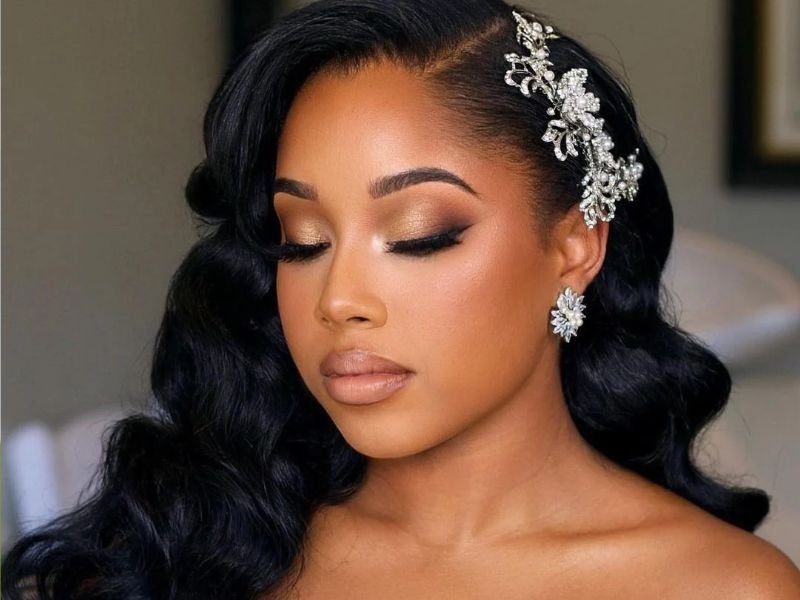
Top Bridal Makeup Tips for the Bride-to-Be: A Complete Guide.
Your wedding day is one of the most memorable moments of your life, and looking and feeling beautiful is a wonderful part of the experience. From choosing your wedding dress to selecting your hairstyle and accessories, every detail contributes to the overall bridal look. Makeup is equally important because it can enhance your natural features, complement your wedding style, and help you feel confident throughout the celebration.
However, achieving beautiful bridal makeup involves more than choosing a flattering lipstick or asking your makeup artist for a glamorous look. Your skin preparation, makeup style, foundation shade, wedding location, lighting, and even the weather can influence the final result.
Some brides prefer soft, natural makeup that highlights their features, while others love a glamorous look with defined eyes, sculpted cheeks, and a statement lip. Neither approach is better than the other. The right choice depends on your personality, preferences, wedding outfit, and the atmosphere you want to create.
Planning ahead can help you avoid unnecessary stress and ensure your makeup looks beautiful from the wedding ceremony through the reception. It also gives you time to communicate your preferences clearly, test different looks, and make adjustments before the big day.
If you are preparing for your wedding and want a makeup look that feels comfortable, photographs beautifully, and lasts throughout your celebration, these bridal makeup tips will help you make informed decisions.
If you are planning for your wedding and need more inspiration on how to go about the decor, check out these Outdoor Wedding Decoration Ideas for a Romantic Celebration
Start Preparing Your Skin Before the Wedding
Beautiful bridal makeup begins with good skin preparation. Although makeup can help even out your complexion and enhance your features, healthy skin provides a better foundation for the products applied on top.
You do not need completely flawless skin to look beautiful on your wedding day. Natural skin has texture, pores, and occasional imperfections. The goal is to prepare your skin so your makeup artist can work comfortably with it and create a finish that suits your complexion.
Establish a Simple Skincare Routine
In the months leading up to your wedding, focus on maintaining a consistent skincare routine rather than experimenting with numerous new products.
A basic routine may include a gentle cleanser, a moisturizer suited to your skin type, and sunscreen during the day. These products help keep your skin clean, comfortable, and protected.
If your skin tends to feel dry, a suitable moisturizer can help reduce the appearance of flaky patches that may become more noticeable under foundation. If your skin is oily, lightweight, non-comedogenic products may provide hydration without leaving an excessively greasy finish.
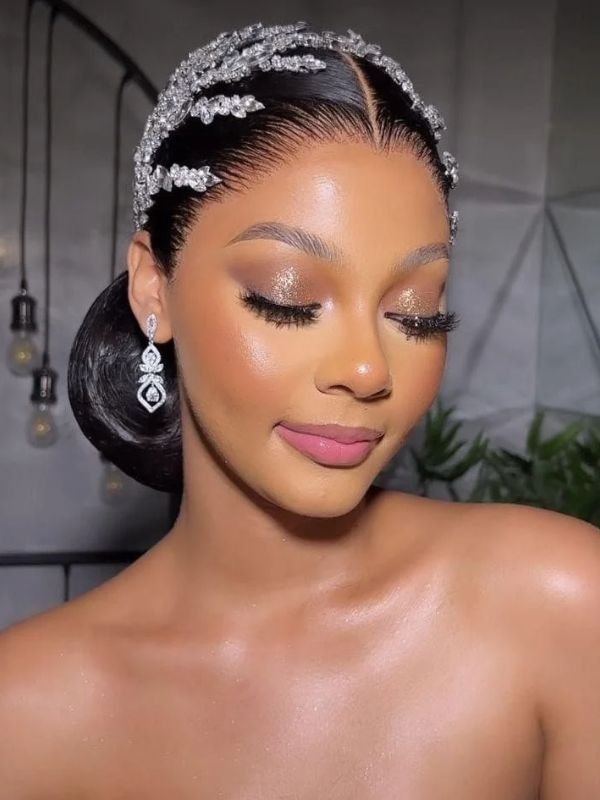
For combination skin, you may need different approaches for different areas of your face. For example, your cheeks may benefit from a richer moisturizer than your forehead and nose.
Consistency matters more than having an expensive collection of skincare products. A routine you can comfortably maintain is often more useful than one filled with products that irritate your skin.
Look at these Beautiful Wedding Backdrop Ideas for Picture-Perfect Moments
Avoid Trying New Products Immediately Before the Wedding
One of the most important bridal makeup tips is to avoid introducing unfamiliar skincare products shortly before your wedding.
Even products marketed for sensitive skin can cause irritation, breakouts, or allergic reactions in some people. A reaction shortly before the ceremony can create unnecessary worry and make makeup application more difficult.
If you want to introduce a new product, give yourself enough time to see how your skin responds. Consider discussing active ingredients and potential irritation with a qualified dermatologist, especially if you have a skin condition or a history of allergic reactions.
Avoid scheduling aggressive chemical peels, unfamiliar facial treatments, or other potentially irritating procedures immediately before the wedding. The appropriate recovery period depends on the treatment and your skin, so seek professional advice before booking anything intensive.
Your wedding preparations should focus on maintaining your skin’s comfort rather than trying to transform it overnight.
Keep Your Skin Hydrated
Hydrated skin can help makeup sit more evenly, particularly around the cheeks, mouth, and under-eye area.
Drink water regularly, get sufficient rest, and use a moisturizer appropriate for your skin. If your skin is naturally dry, your makeup artist may recommend a hydrating primer or foundation with a more luminous finish.
However, hydration does not mean applying several heavy products immediately before makeup. Too many layers can sometimes cause foundation to separate or slide, especially in warm weather.
Your makeup artist can help determine which products work best together and how much preparation your skin needs.
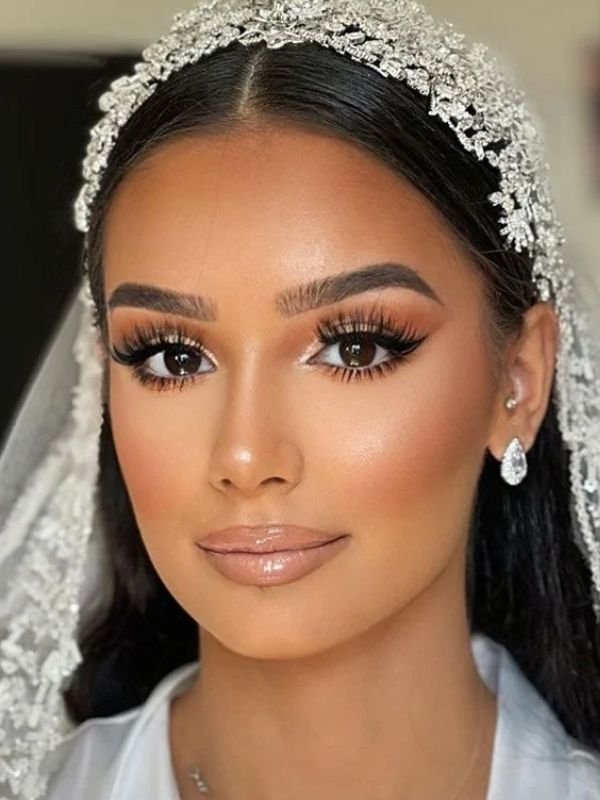
Be Careful With Exfoliation and Facial Treatments
Exfoliation can help remove dead skin cells, but excessive exfoliation may leave your skin irritated, sensitive, or flaky.
If exfoliation is already part of your established routine, continue only as your skin comfortably tolerates it. Avoid using strong exfoliating products for the first time shortly before your wedding.
Professional facials may also be helpful for some brides, but the timing matters. Schedule treatments well in advance, particularly if you are prone to redness, breakouts, or sensitivity.
Remember that you do not need to achieve perfectly smooth skin to have beautiful bridal makeup. The priority is a comfortable complexion that your makeup artist can work with.
Planning for your honey moon after the wedding, Look at these Best Romantic Christmas Honeymoon Vacations for Newlyweds
Choose a Bridal Makeup Style That Reflects Your Personality
Your wedding makeup should feel like an enhanced version of yourself. Although social media provides plenty of inspiration, the most popular bridal looks may not suit every bride.
Some brides feel most confident with soft, understated makeup. Others prefer dramatic eyes, full coverage, defined contours, and bold lips. Your choice should reflect your personality and the way you want to feel when you look in the mirror.
Consider Natural Bridal Makeup
Natural bridal makeup is an excellent option for brides who want a fresh, polished appearance without heavy-looking products.
This style often features lightweight or medium-coverage foundation, softly defined brows, neutral eyeshadow, subtle blush, and a lipstick shade close to the bride’s natural lip colour.
The objective is not necessarily to use very little makeup. Instead, the products are applied in a way that enhances the bride’s features without making the overall look feel overly dramatic.
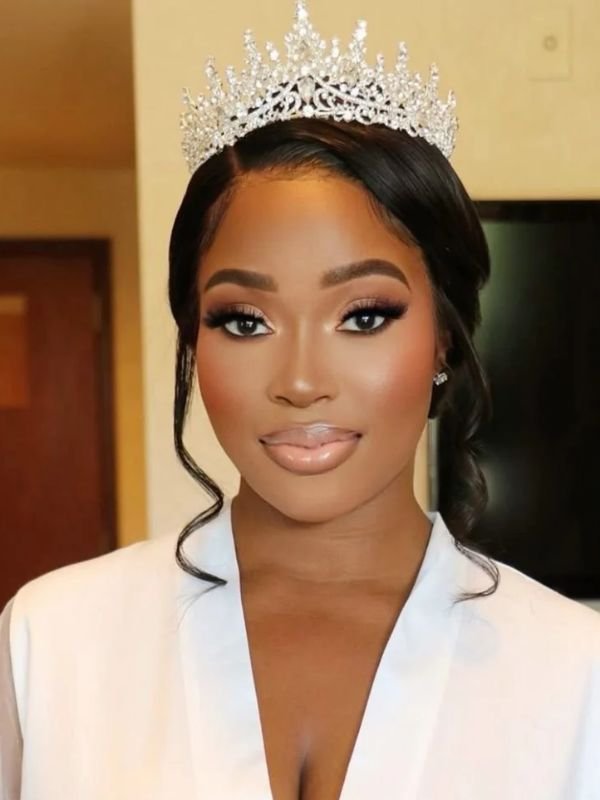
Natural bridal makeup can work beautifully for daytime ceremonies, outdoor weddings, intimate celebrations, and brides who prefer understated elegance.
For a more luminous finish, your makeup artist may use a suitable illuminating product on selected areas of the face. If you have oily skin, however, a controlled satin finish may be more comfortable than applying shimmer everywhere.
Explore Soft Glam Bridal Makeup
Soft glam is a popular choice for brides who want more definition while maintaining an elegant appearance.
This style may include carefully blended eyeshadow, fuller-looking lashes, softly sculpted cheeks, defined brows, and a flattering lip colour. The complexion is usually polished, with enough coverage to create an even appearance while retaining some natural dimension.
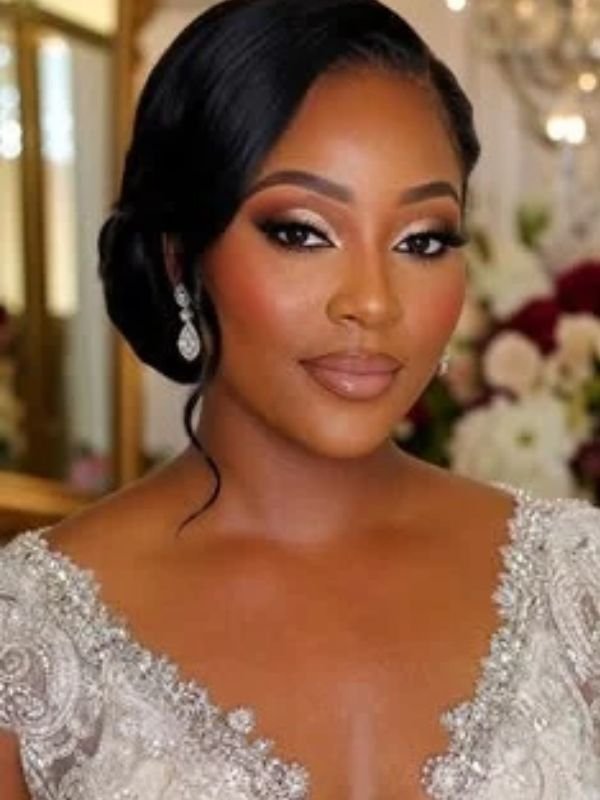
Soft glam can be adapted to many wedding themes, from modern celebrations to traditional ceremonies and formal receptions.
You can also personalize it by choosing warm brown eyeshadow, rosy blush, a subtle highlight, or a nude lipstick that complements your complexion.
When discussing soft glam with your makeup artist, explain how much definition you prefer. The term can mean different things to different artists, so reference photos can help clarify your expectations.
Consider Full Glam for a More Dramatic Look
Full glam bridal makeup is ideal for brides who enjoy a more defined, camera-ready appearance.
Depending on the style, it may include fuller foundation coverage, sculpted cheekbones, more dramatic eyeshadow, winged eyeliner, false lashes, and a bold or carefully outlined lip.
This approach can be especially suitable for evening weddings, formal receptions, and brides who enjoy a glamorous aesthetic.
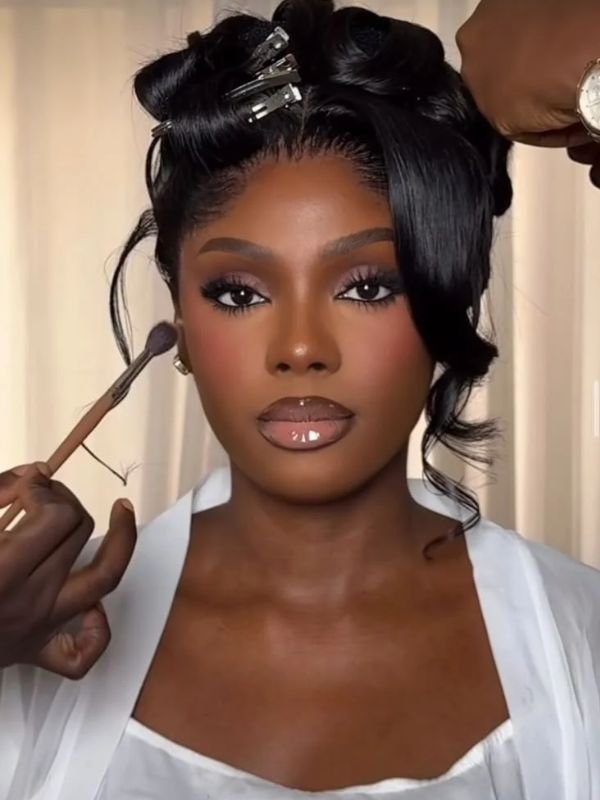
However, full glam should still be customized to your features, comfort level, and wedding environment. Heavy products are not automatically more beautiful, and excessive powder or poorly matched foundation can make makeup appear less natural in photographs.
If you choose a dramatic look, ask your makeup artist to show you how the makeup appears under different lighting conditions before making your final decision.
Use Inspiration Photos Wisely
Saving bridal makeup photos can help you explain your preferred style to your makeup artist.
Create a small collection of images showing the features you like. You might love the eyeshadow in one photograph, the complexion in another, and the lipstick in a third.
Explain these preferences instead of expecting one photograph to translate perfectly to your face.
Remember that lighting, filters, editing, camera settings, skin texture, and individual facial features can change how makeup appears in pictures. Your makeup artist may need to adapt the look to suit your complexion and facial structure.
The aim is to use inspiration as a starting point rather than copying another bride’s appearance exactly.
Choose a Foundation That Matches Your Skin Tone
Foundation plays a significant role in bridal makeup because it helps create an even complexion and provides a base for other products.
The wrong shade can make your face look noticeably different from your neck and chest. A foundation that is too light may create an ashy appearance, while a shade that is too dark or too warm may leave an unnatural line around the jaw.
Your foundation should complement your natural skin tone rather than attempt to change it.
Match Foundation to Your Undertone
Skin tone and undertone are related, but they are not the same.
Your skin tone describes how light or deep your complexion appears. Your undertone refers to the subtle colour beneath the surface of your skin.
Undertones are commonly described as warm, cool, or neutral. Warm undertones may have golden or yellow qualities, cool undertones may have pink or bluish qualities, and neutral undertones fall somewhere between these descriptions.
Some complexions also have olive undertones, which can require more careful shade matching.
Your makeup artist can assess your complexion and test suitable foundation shades to find the closest match. This is particularly helpful when shopping for professional makeup because a shade that looks correct in its packaging may appear different when applied to the skin.
Do not rely entirely on the colour of your hand when selecting foundation. The face, neck, and chest may have slightly different tones.
Consider the Finish of Your Foundation
Foundation formulas come in different finishes, including matte, satin, and dewy.
A matte foundation can help reduce visible shine and may suit brides with oily skin, especially when the wedding will take place in a warm environment.
A dewy foundation creates a more luminous appearance and may be attractive for brides with dry skin who prefer a fresh, glowing finish.
Satin foundations offer a middle ground, providing a polished appearance without looking excessively matte or shiny.
Your skin type is important, but your personal preference also matters. A bride with oily skin may still prefer a natural finish, while a bride with dry skin may enjoy a more velvety look.
Your makeup artist can combine suitable products to create the finish you want without making your complexion feel uncomfortable.
Think About Your Wedding Photography
Foundation needs to look good in person and under the lighting used during your wedding.
Professional photography may involve natural daylight, indoor lighting, flash photography, or a combination of different conditions. Products can appear different under these settings.
For this reason, a makeup trial is useful for checking how your complexion looks in photographs.
Take pictures near a window and in ordinary indoor lighting. If you plan to take many flash photographs, ask your makeup artist to assess the finished look using flash as well.
Do not assume that every mineral product or powder will automatically cause flashback. Results depend on the specific formula, how it is applied, and the lighting conditions.
A professional artist can help you choose products that work well together and avoid applying excessive powder or highlight.
Schedule a Bridal Makeup Trial Before the Wedding
A makeup trial gives you the opportunity to see how your chosen look works on your face before the wedding day.
It also allows you and your makeup artist to discuss preferences, test products, and identify adjustments while there is still time to make changes.
For many brides, the trial is one of the most valuable parts of the makeup preparation process.
Book Your Trial Early Enough
Try to schedule your makeup trial several weeks or months before the wedding, depending on your planning timeline and the artist’s availability.
Booking early gives you time to communicate changes, explore another style if necessary, or arrange a second trial when appropriate.
If your wedding includes multiple events, such as a traditional ceremony, civil ceremony, or reception, discuss whether you need different makeup looks for each occasion.
Your artist can help determine how much time and preparation each look will require.
Bring Your Wedding Inspiration
Before the trial, collect reference photos of makeup styles you like.
You can also bring photographs of your wedding dress, hairstyle, jewellery, and overall colour palette. These details help your artist understand the complete look you are planning.
For example, a bride wearing a heavily embellished gown may prefer more defined makeup, while someone choosing a simple dress and delicate accessories may want a softer appearance.
These are not strict rules. The purpose is to create a balanced look that reflects your own style.
Tell your artist which features you would like to emphasize and which products or techniques you dislike. If you rarely wear false lashes, for example, mention this before the trial so you can explore comfortable alternatives.
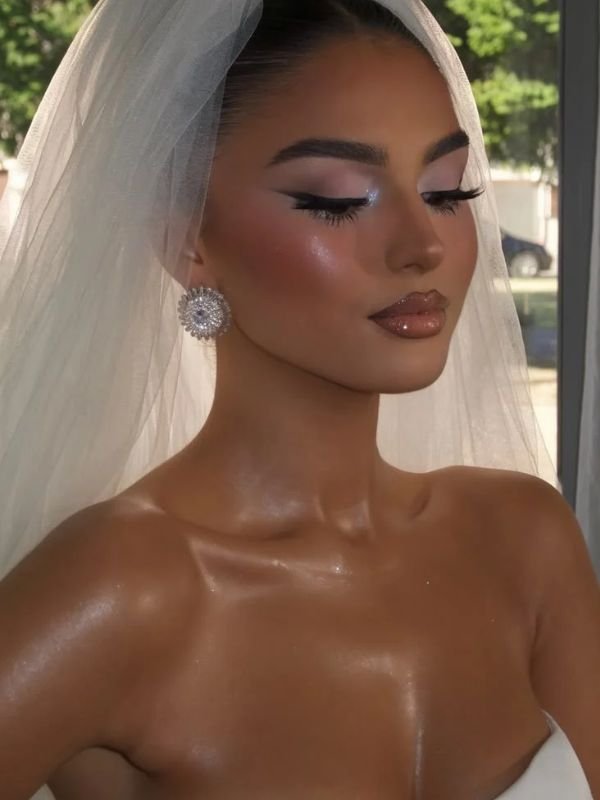
Evaluate the Makeup Throughout the Day
Do not judge your trial makeup only during the first few minutes after application.
Wear it for several hours if possible. Notice how the foundation feels, whether the lipstick remains comfortable, and how the complexion looks as the day progresses.
Check for separation around the nose, excessive shine, dryness, or irritation. These observations can help your artist adjust the products and application technique.
Take photographs in natural light and indoors. You can also take a few pictures using your phone’s flash to see how the makeup appears in different conditions.
If you are uncomfortable with any part of the look, communicate this honestly. A trial is the right time to make adjustments.
Choose a Professional Makeup Artist Who Understands Your Needs
Selecting a bridal makeup artist is an important part of your wedding preparation.
A skilled artist should be able to listen to your preferences, understand your skin type, recommend suitable products, and create a look that complements your features.
Technical skill matters, but communication and professionalism are equally valuable.
Review the Artist’s Portfolio
Before booking a makeup artist, examine examples of their previous work.
Look for photographs of brides with a range of skin tones and complexions, particularly if you want to see how the artist works with skin similar to yours.
Pay attention to foundation matching, blending, eye makeup, and the overall balance of each look.
If possible, review photographs and videos showing makeup in different lighting conditions. Images taken only under studio lighting may not provide a complete picture of how the makeup appears in everyday settings.
Also look for consistency. An artist’s portfolio should demonstrate their ability to create polished results rather than relying on a single impressive photograph.
Discuss Your Skin Type and Preferences
Tell your makeup artist about your skin type and any known sensitivities or allergies.
If your skin is oily, dry, combination, or sensitive, this information can influence the products and preparation techniques they recommend.
Mention any products you know you cannot tolerate. If you have previously experienced a reaction to cosmetics, explain what happened and consider seeking advice from a healthcare professional when necessary.
Do not feel pressured to choose a particular makeup style simply because an artist specializes in it. You should feel comfortable discussing the look you want and asking questions about the proposed products.
Confirm the Details Before Paying a Deposit
Before booking, clarify the services included in the price.
Ask whether the fee covers the makeup trial, wedding-day application, travel, false lashes, touch-up products, and additional bridal party members.
If you need makeup for multiple events, confirm the cost and schedule for each one.
You should also discuss the expected arrival time, the duration of the appointment, the artist’s cancellation policy, and what happens if an unexpected delay occurs.
Clear communication helps prevent misunderstandings and allows you to budget appropriately.
Ask About Hygiene Practices
Professional makeup hygiene is essential.
Your artist should use clean brushes and tools, sanitize reusable equipment appropriately, and avoid transferring products directly between clients in ways that could cause contamination.
Mascara and other products used near the eyes require particular care. Disposable applicators should be used appropriately, and products should not be shared in a manner that risks spreading infection.
A professional should also wash or sanitize their hands before beginning the application and follow suitable hygiene procedures throughout the appointment.
If you have concerns about cleanliness, ask questions before booking. Your comfort and safety should be part of the decision.
Select Lipstick That Complements Your Bridal Look
Lipstick can change the overall appearance of bridal makeup. A soft nude shade creates a different effect from a rosy pink, berry tone, or classic red.
The right choice depends on your complexion, outfit, makeup style, and personal preference.
Choose a Colour That Makes You Feel Confident
Nude lipstick is popular for bridal makeup because it pairs well with many different eye looks.
However, nude shades vary considerably. Some contain pink, peach, brown, or mauve undertones, and the same lipstick can look different on different complexions.
Choose a shade that complements your natural lip colour rather than assuming every nude lipstick will suit you.
Rosy pinks can create a soft, romantic appearance, while deeper berry shades can add richness to an evening look.
Red lipstick is another beautiful option for brides who enjoy a classic statement.
You do not have to choose a pale or neutral shade simply because you are a bride. Your wedding makeup should reflect your preferences.
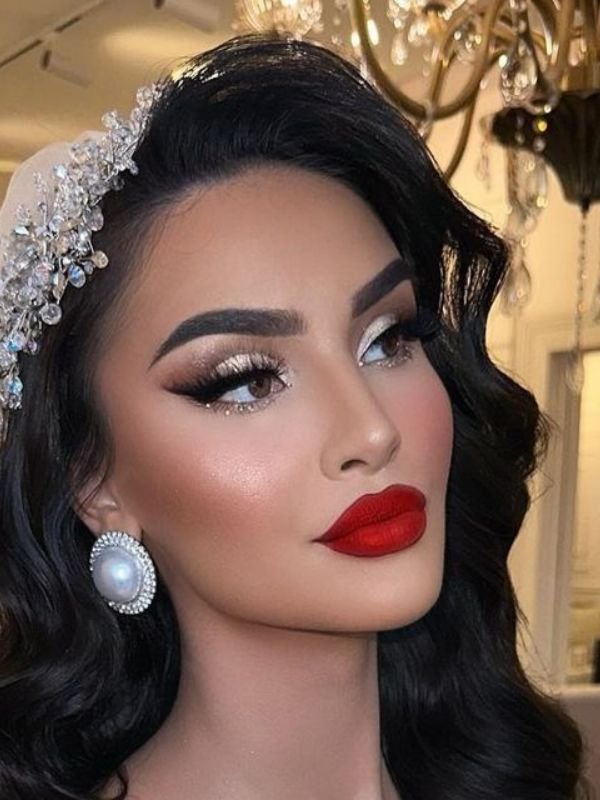
Prepare Your Lips Before Applying Lipstick
Dry or flaky lips can make lipstick look uneven.
If your lips tend to become dry, use a comfortable lip balm as part of your regular routine in the days leading up to the wedding.
Avoid aggressive scrubbing or trying unfamiliar lip treatments immediately before the ceremony. These can irritate the delicate skin around your mouth.
On the wedding day, your makeup artist can prepare your lips with suitable products before applying colour.
If you choose a matte lipstick, make sure the formula feels comfortable enough for several hours of wear. Some matte products can emphasize dryness, so a different formula may be preferable if your lips are prone to cracking.
Plan for Lipstick Touch-Ups
Even long-wearing lipstick may fade after eating, drinking, or kissing.
Ask your makeup artist for the lipstick shade or a suitable product you can carry with you throughout the celebration.
A small mirror, tissues, and your chosen lip colour can make touch-ups easier.
You may also want to ask a bridesmaid or trusted friend to keep these essentials nearby.
A quick touch-up before photographs or after a meal can help your makeup look fresh without requiring a complete reapplication.
Pay Attention to Your Bridal Eye Makeup
Eye makeup helps define your features and can complement your hairstyle, dress, and overall wedding aesthetic.
The right approach depends on your eye shape, preferred level of definition, and the look you want to achieve.
Choose Eyeshadow Colours That Complement Your Complexion
Neutral eyeshadow colours such as brown, bronze, champagne, taupe, and soft rose work well with many bridal styles.
Warm brown shades can create a softly defined look, while champagne or subtle shimmer can add brightness to selected areas.
If you prefer more colour, you can incorporate shades that complement your wedding palette. However, your eyeshadow does not need to match your bridesmaids’ dresses exactly.
A balanced combination of colours often creates a more cohesive appearance than applying the same shade everywhere.
Your makeup artist can help you choose shades that suit your complexion and work with your preferred level of glamour.
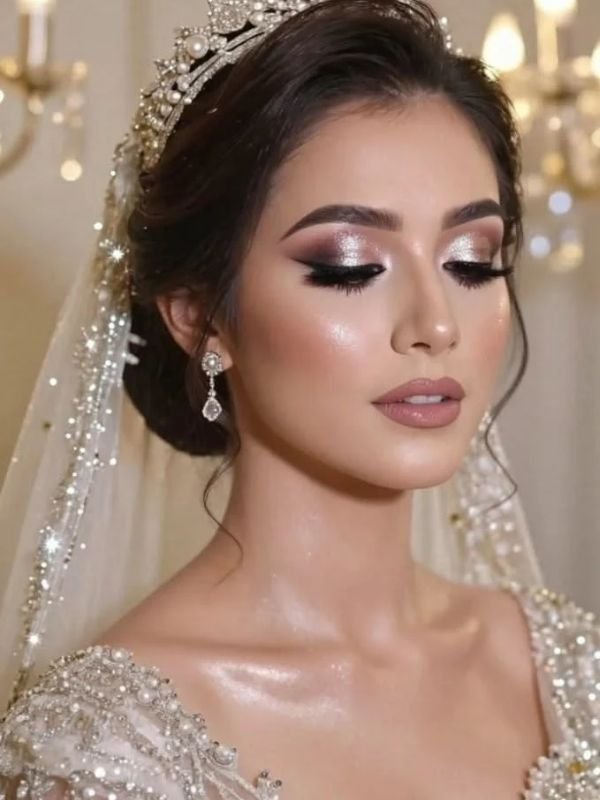
Decide Whether You Want False Lashes
False lashes can make the eyes appear more defined and may add impact to wedding photographs.
Options range from individual lash clusters to lightweight strip lashes and more dramatic styles.
If you rarely wear false lashes, try them during your makeup trial. This gives you an opportunity to assess their comfort and appearance before the wedding day.
The lashes should feel secure without causing pain, irritation, or excessive heaviness.
If you have sensitive eyes or a history of reactions to lash adhesives, discuss this with your makeup artist before the trial. Seek professional medical advice if you have a known allergy or are unsure which products are safe for you.
You can also choose mascara alone if you prefer a simpler approach.
Choose Eyeliner That Suits Your Style
Eyeliner can define the eyes without making the makeup appear overly dramatic.
A thin line close to the upper lashes may suit brides who want subtle definition. A small wing can create a more polished look, while a stronger line may work well with full glam makeup.
The most suitable technique depends on your eye shape and the overall style you prefer.
During your trial, ask your artist to show you how different eyeliner styles affect the appearance of your eyes. Small adjustments can make a noticeable difference to the finished look.
Consider Waterproof Products Carefully
Waterproof mascara and eyeliner may be useful for weddings where tears, humidity, or perspiration are likely.
However, waterproof products can be more difficult to remove and may not be comfortable for everyone.
Test them before the wedding rather than introducing them for the first time on the morning of the ceremony.
Use an appropriate makeup remover at the end of the day, especially around the eyes, and avoid rubbing the delicate skin in that area.
Use Blush and Highlight to Add Dimension
Blush and highlighter can bring warmth and dimension to bridal makeup.
When applied thoughtfully, they help the complexion look lively and balanced rather than flat.
Select a Blush Shade That Suits Your Complexion
Blush colours range from soft pink and peach to coral, rose, berry, and deeper terracotta shades.
The most flattering option depends on your complexion and the overall look you want.
Soft pinks and roses can create a romantic appearance, while peach and coral tones may complement warmer makeup styles.
Deeper blush shades can also look beautiful on rich complexions when applied with the right intensity.
Ask your makeup artist to choose a colour that blends naturally with your foundation and complements your lipstick.
Apply Highlighter With a Light Hand
Highlighter can create a luminous effect on selected areas of the face, such as the tops of the cheekbones.
However, applying too much shimmer can make the skin appear excessively shiny in photographs, particularly under strong lighting.
If you prefer a natural finish, a subtle highlight may be sufficient.
Your makeup artist can also use the finish of your foundation and blush to create dimension without relying heavily on reflective products.
Keep the Overall Look Balanced
When choosing bridal makeup, consider how all the elements work together.
If you prefer dramatic eyes, a softer lip may create a balanced finish. If you choose a bold lipstick, you might prefer more understated eyeshadow.
These are suggestions rather than strict rules. You can wear bold eyes and lips together if that reflects your personal style.
The important thing is to make deliberate choices so the final look feels cohesive.
Make Sure Your Makeup Complements Your Wedding Dress
Your wedding dress is one of the most noticeable elements of your bridal appearance, and your makeup should work harmoniously with it.
This does not mean your makeup must match every detail of the dress. Instead, consider the overall style, fabric, embellishments, and atmosphere of your celebration.
Match the Makeup to the Style of Your Dress
A simple, minimalist dress may pair beautifully with soft glam makeup, a polished complexion, and a subtle lip colour.
A heavily embellished gown may inspire a more defined look with sculpted cheeks, carefully blended eyeshadow, and a richer lip.
A vintage-inspired dress might work well with classic eyeliner and a timeless lipstick shade.
These combinations are not rules. A bride wearing a minimalist gown can choose full glam, while someone wearing a heavily embellished dress may prefer natural makeup.
Use the dress as inspiration while keeping your own preferences at the centre of the decision.
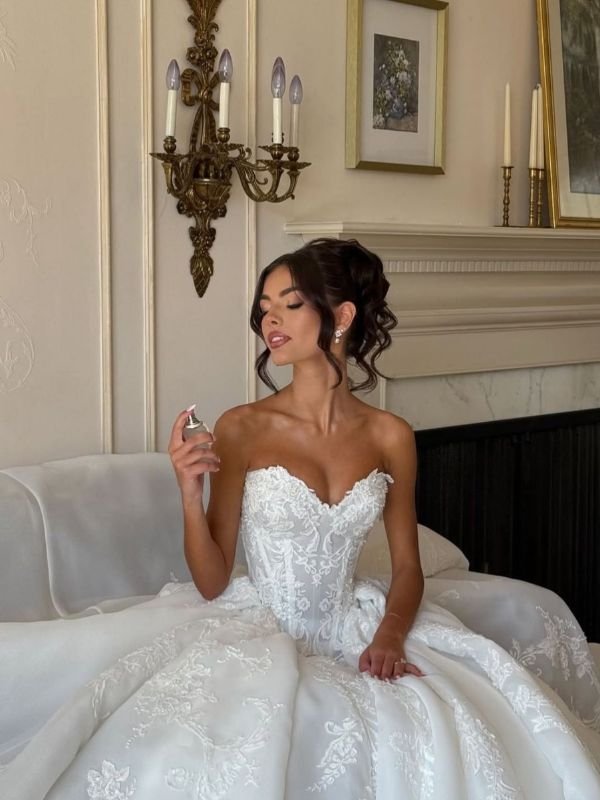
Consider the Neckline and Accessories
Your neckline, earrings, necklace, and hairstyle can influence the overall balance of your bridal look.
For example, statement earrings may provide enough visual detail around your face that you prefer simpler makeup. If you are wearing a dramatic necklace and an elaborate hairstyle, you may want to discuss how to keep the complete look balanced.
The goal is not to make every element compete for attention.
Your makeup artist and hairstylist can help you consider these details together, especially if you plan to wear a veil or a headpiece.
Think About Your Traditional Wedding Attire
For brides celebrating with multiple wedding outfits, makeup can be adapted to complement each look.
A traditional ceremony may involve colourful fabrics, elaborate accessories, and distinctive hairstyles. A separate white wedding may call for a different aesthetic.
You can maintain a consistent bridal identity while changing the intensity of your makeup, lipstick shade, or eye look to complement each outfit.
If you are planning multiple looks, communicate the schedule with your makeup artist in advance. This will help them determine how much time is needed for each application or transformation.
Plan for Your Wedding Venue and Weather
Your wedding location can influence how your makeup performs throughout the day.
A bride celebrating in a cool indoor venue may have different needs from someone getting married outdoors in hot, humid weather.
Considering the environment in advance helps you select products and techniques that suit the occasion.
Choose Makeup With Warm Weather in Mind
Heat and humidity can cause perspiration, increase shine, and make some makeup products move or separate.
If your wedding will take place outdoors or in a warm climate, discuss these conditions with your makeup artist.
They may recommend suitable long-wearing foundation, a lightweight primer, carefully applied powder, and products designed to resist humidity.
However, applying more product is not always the answer. Heavy layers can feel uncomfortable in hot weather and may become difficult to manage if you perspire.
A well-prepared complexion and an appropriate combination of products are often more useful than excessive layering.
Consider Makeup for Outdoor Weddings
Outdoor weddings offer beautiful natural scenery, but sunlight, wind, heat, and humidity can affect your makeup.
If the ceremony is scheduled during the day, ask your artist to consider how your complexion will look in natural light.
Strong sunlight can reveal differences in foundation shade or areas where products have not been blended thoroughly. A trial in daylight can help you identify any adjustments.
If your ceremony is near the beach, the breeze may also affect your hairstyle and cause your eyes to water. Discuss these practical details when planning your beauty routine.
Remember that sunscreen is important for outdoor events. Ask your makeup artist how to incorporate suitable sun protection into your preparation without compromising the makeup application.
Plan for Indoor Lighting
Indoor wedding venues may use warm, cool, or mixed lighting.
Warm lighting can make some colours appear more golden, while cooler lighting may change how certain foundation shades and lip colours look.
Your makeup artist can help you choose a balanced look that works under the lighting expected at your ceremony and reception.
If your venue is available before the wedding, you may be able to discuss the lighting setup with your photographer or wedding planner.
Photographs taken during your makeup trial can also help you assess how your look appears under different conditions.
Make Your Bridal Makeup Last Throughout the Celebration
Wedding days can be long. Between getting ready, taking photographs, attending the ceremony, greeting guests, eating, and dancing, your makeup may need to remain comfortable for many hours.
Although no makeup is completely immune to heat, movement, tears, or friction, a suitable application and a few practical preparations can help it last longer.
Use a Primer That Suits Your Skin
Primer is applied before foundation to help prepare the skin for makeup.
Different primers are designed to address different needs. Some focus on hydration, while others help reduce shine or create a smoother-looking surface.
Choose a formula that works with your skin and foundation rather than assuming every primer will improve the final result.
Your makeup artist may also use different products on different areas of your face. For example, a shine-controlling product may be useful around the nose and forehead, while a more hydrating product may suit drier areas.
The aim is to create a comfortable base without applying unnecessary layers.
Apply Powder Where It Is Needed
Setting powder can help reduce excess shine and improve the wear of some complexion products.
However, too much powder can make makeup appear dry or heavy, particularly around fine lines and textured areas.
A more targeted approach may be preferable.
Your makeup artist can apply powder to areas that tend to become oily while allowing other parts of your complexion to retain a natural finish.
If your skin is dry, discuss how much powder you actually need. You may not require a heavily powdered complexion to achieve a polished bridal look.
Consider a Suitable Setting Spray
Setting sprays are designed to help finish a makeup look, and some formulas may improve wear depending on the products used underneath.
There are different types of setting sprays, including products intended to provide a dewy finish and others designed to help control shine.
Your makeup artist can recommend an option that works with your skin type and preferred finish.
If you plan to use a setting spray, test it before the wedding rather than trying an unfamiliar formula for the first time on the day.
Prepare a Small Touch-Up Kit
Even carefully applied makeup may need a little attention during a long wedding celebration.
A small touch-up kit can help you manage minor changes without carrying your entire makeup collection.
Useful items may include:
- Your lipstick or lip gloss.
- Blotting papers or a clean tissue.
- A small powder compact if you need to control shine.
- A compact mirror.
- Tissues for tears.
- A few cotton buds for small corrections.
Keep the kit with a trusted bridesmaid or place it somewhere easily accessible.
If your makeup artist offers a touch-up service, confirm what is included and when they will be available.
Choose the Right Time for Bridal Makeup on Your Wedding Day
A well-planned beauty schedule can help you avoid rushing before the ceremony.
Makeup application takes time, and the exact duration depends on the artist, the complexity of the look, and whether several people need to be prepared.
Your wedding schedule should account for these details.
Allow Enough Time for Application
Ask your makeup artist how long they need to complete your look.
Natural makeup may take less time than an elaborate full glam style, but you should not assume that a simpler look can always be completed quickly.
If your artist is also responsible for your bridesmaids or family members, confirm the order of appointments and the time required for each person.
Allow a reasonable buffer for unexpected delays.
Rushing can create unnecessary stress and may leave you with little time to address a makeup adjustment before photographs begin.
Coordinate Makeup With Hairstyling
If you are working with separate makeup and hair professionals, make sure they understand the schedule and can coordinate their services.
The order of hair and makeup depends on your hairstyle, products, dressing arrangements, and the preferences of your professionals.
For example, some hairstyles require heat styling or products that may affect the face, while certain makeup looks benefit from being completed after the hair has been styled.
Ask your team to recommend the most practical sequence for your particular look.
Leave Time for Dressing and Photographs
Your beauty schedule should not end the moment the makeup is finished.
You may need time to put on your wedding dress, secure your veil, wear your jewellery, and take photographs before leaving for the ceremony.
Allow time for these activities so you can check your complete appearance without rushing.
If your dress requires assistance or has delicate fastenings, coordinate with whoever will help you get dressed.
A few extra minutes can make the preparation process feel much calmer.
Avoid These Common Bridal Makeup Mistakes
Even with a skilled makeup artist, certain planning mistakes can create unnecessary difficulties.
Knowing what to avoid can help you make more confident decisions and enjoy the preparation process.
Changing Your Entire Skincare Routine at the Last Minute
The days before your wedding are not the ideal time to experiment with unfamiliar products.
A new cleanser, exfoliant, serum, or treatment may irritate your skin or cause an unexpected reaction.
Stick to products you know your skin tolerates, and make any major changes well in advance.
Choosing a Foundation Shade That Is Too Light
Some brides worry that a lighter foundation will make their complexion look brighter in photographs.
In reality, a mismatched shade can create a noticeable difference between the face, neck, and chest.
Your foundation should match your natural complexion as closely as practical. If you want a brighter under-eye area, your makeup artist can achieve that effect with appropriate concealer placement rather than using the wrong foundation shade across your face.
Copying a Makeup Trend That Does Not Suit Your Preferences
Social media trends can provide inspiration, but not every trend will suit your face, comfort level, or wedding style.
If you rarely wear heavy eyeliner, you may feel uncomfortable with a dramatic look throughout the day.
Similarly, a very glossy complexion may not be your preference if you usually enjoy a more matte finish.
Use trends as a source of ideas rather than instructions you must follow.
Skipping the Makeup Trial
Skipping the trial may save money initially, but it also removes an opportunity to test the makeup before the wedding.
Without a trial, you may discover too late that the foundation feels uncomfortable, the lipstick is not your preferred shade, or the eye makeup is more dramatic than you expected.
If your budget allows, include a trial in your planning.
If a trial is not possible, communicate carefully with your artist, share reference photos, and confirm the products and style in advance.
Applying Too Much Powder or Highlighter
Excessive powder can emphasize dryness and texture, while too much highlighter may create unwanted shine in photographs.
The amount of product needed depends on your skin type, lighting, and preferred finish.
A balanced application can create dimension without making your makeup look heavy.
Forgetting About Makeup Removal
After a long celebration, it can be tempting to fall asleep without removing your makeup.
However, leaving cosmetics on overnight may contribute to irritation or clogged pores for some people.
Plan to remove your makeup gently when the celebration ends.
Use a suitable makeup remover, particularly for waterproof eye products, followed by your regular cleanser if appropriate. Avoid rubbing your face aggressively.
Finish with a moisturizer that your skin already tolerates.
Your post-wedding skincare routine does not need to be elaborate. Gentle cleansing and comfortable hydration are a sensible starting point.
Bridal Makeup Tips for Different Skin Types
Every bride’s skin has different needs. Understanding your skin type can help you communicate more effectively with your makeup artist and choose products that feel comfortable throughout the day.
Bridal Makeup for Oily Skin
If your skin becomes shiny quickly, you may prefer a foundation and primer designed to help control excess oil.
Your makeup artist can apply powder strategically to areas such as the forehead, nose, and chin.
Blotting papers may also be useful during the reception because they absorb some surface oil without requiring you to apply additional layers of powder.
Avoid trying to eliminate every trace of shine. A natural complexion has some dimension, and excessive powder can make the makeup look less balanced.
Bridal Makeup for Dry Skin
Dry skin may benefit from gentle preparation and a moisturizer that supports the skin’s natural barrier.
A suitable hydrating foundation can help create a comfortable finish, although the best formula depends on your preferences and the condition of your skin.
Avoid excessive exfoliation before the wedding, particularly if it causes redness or flaking.
During the makeup trial, pay attention to areas around the nose, mouth, and under the eyes, where dryness may become more noticeable.
Bridal Makeup for Combination Skin
Combination skin may have oily areas alongside drier patches.
Your makeup artist can adapt the preparation and application to suit different areas of your face.
For example, a lightweight, shine-controlling product may be useful around the forehead and nose, while a more hydrating product may suit the cheeks.
This approach can help create a balanced finish without forcing your entire complexion into one texture.
Bridal Makeup for Sensitive Skin
If your skin is sensitive, communicate this before booking your makeup artist.
Tell them about known allergies, previous reactions, and any products that cause discomfort.
You may wish to avoid fragranced products or unfamiliar formulas if you know these are triggers for you.
However, product labels alone cannot guarantee that a cosmetic will be suitable for every sensitive complexion. If you have a history of serious reactions, consult a qualified healthcare professional about precautions.
Do not test several unfamiliar products on your face immediately before the wedding.
How to Prepare for Bridal Makeup on the Morning of the Wedding
The wedding morning can be busy, particularly if several people are getting ready in the same location.
Preparing a few things in advance can make the makeup appointment easier and help you enjoy the experience.
Cleanse Your Face Gently
Arrive with clean skin unless your makeup artist has given you different instructions.
Use your usual gentle cleanser and apply skincare products you know work well for you.
Avoid heavy or unfamiliar treatments that could interfere with the makeup application.
If your artist has specific instructions about moisturizer, sunscreen, or other skincare products, follow the agreed plan.
Wear Comfortable Clothing That Is Easy to Remove
Choose clothing that can be removed without pulling it over your head after your makeup is complete.
A robe, button-up shirt, or zip-front top may be practical, particularly if your hairstyle and makeup will be finished before you put on your wedding dress.
This simple decision can reduce the risk of disturbing your makeup or hairstyle while changing.
Keep Your Preparation Area Organized
Before the artist arrives, make sure there is enough space, suitable lighting, and a comfortable place to sit.
If possible, arrange a clean table or counter where the artist can organize their products and tools.
Keep unnecessary items away from the makeup area so the appointment can proceed smoothly.
If several people will be getting ready together, discuss the schedule in advance to avoid overcrowding or delays.
Eat and Drink Before the Ceremony
Wedding preparations can become so busy that brides forget to eat.
Have a suitable meal or snack and drink water before the ceremony, taking your schedule and any dietary requirements into account.
This is important for your comfort and energy, particularly if you have a long day ahead.
You may also want to keep a small snack and water nearby for later.
Feeling comfortable and well prepared can make it easier to enjoy the occasion.
How to Look Beautiful in Wedding Photographs
Wedding photographs help preserve memories of the day, and your makeup should complement the way you want to look in those images.
However, makeup for photography should still feel comfortable and appropriate in person.
Discuss Your Photography Plans With Your Makeup Artist
Tell your makeup artist whether your wedding will involve outdoor portraits, indoor photography, flash photography, or evening reception pictures.
These details may influence the choice of foundation, powder, highlight, and other products.
A professional artist can help create a finish that works across different lighting conditions.
If you have a photographer booked, you can also ask whether they have any general recommendations for bridal makeup.
Blend Makeup Thoroughly
Well-blended makeup helps create a cohesive appearance.
Pay particular attention to the jawline, hairline, neck, and areas where different products meet.
Blush, contour, eyeshadow, and foundation should blend naturally into the overall look rather than appearing as separate patches of colour.
Your makeup trial gives you an opportunity to check the finish from different angles.
Avoid Making Last-Minute Changes Based on a Single Photograph
Phone cameras can alter the appearance of makeup depending on lighting, distance, exposure, and image processing.
If your makeup looks slightly different in one photograph, assess it in several settings before deciding that something is wrong.
Your makeup artist can help determine whether an adjustment is needed.
A look that photographs well should also make you feel confident when you see yourself in the mirror.
Frequently Asked Questions About Bridal Makeup
When Should I Book My Bridal Makeup Artist?
It is sensible to begin researching makeup artists as soon as your wedding date and general plans are established. Popular artists may be booked well in advance, particularly during busy wedding seasons.
The ideal booking timeline depends on your location, wedding date, and the artist’s availability. Once you find someone whose work suits your preferences, ask about their booking requirements and deposit policy.
How Far in Advance Should I Have a Bridal Makeup Trial?
Many brides schedule a makeup trial several weeks or months before the wedding. This provides time to assess the look and make adjustments before the ceremony.
The exact timing depends on your planning schedule and whether you need additional trials.
Try to avoid leaving the first trial until the final few days before your wedding, when there may be little time to resolve unexpected concerns.
Should Bridal Makeup Be Different From Everyday Makeup?
It can be, but it does not have to be dramatically different.
Bridal makeup is often designed to last through a longer day and complement the wedding outfit, lighting, and photography.
Some brides prefer a slightly more defined version of their everyday makeup, while others enjoy a completely different look for the occasion.
Choose an approach that feels authentic to you.
Is Waterproof Makeup Necessary for a Wedding?
Waterproof products can be helpful if you expect tears, humidity, or perspiration. However, you do not necessarily need every product in your makeup routine to be waterproof.
Your makeup artist can recommend suitable products based on the weather, your skin type, and the expected length of the celebration.
Test unfamiliar products beforehand, especially if you have sensitive skin or eyes.
Should I Do My Makeup Before or After My Hair?
The best order depends on your hairstyle, makeup products, and the schedule arranged by your beauty team.
Some brides have their hair styled first, while others prefer makeup first. Your makeup artist and hairstylist can recommend a sequence that works for your particular look.
The important thing is to coordinate the appointments and allow enough time for both services.
How Can I Make My Bridal Makeup Last Longer?
Start with appropriate skin preparation and choose products that suit your skin type and the wedding environment.
A suitable primer, carefully applied foundation, targeted powder, and an appropriate setting spray may help improve wear.
Avoid touching your face unnecessarily, and keep lipstick and a few touch-up essentials nearby.
Your makeup artist can tailor the application to your needs.
What Should I Bring to My Bridal Makeup Trial?
Bring inspiration photographs, information about your wedding outfit, and details about your preferred makeup style.
Tell your artist about your skin type, known allergies, sensitivities, and any products you prefer to avoid.
You may also want to bring photographs of your hairstyle and accessories so the artist can consider the complete look.
Should My Bridal Makeup Match My Bridesmaids’ Makeup?
Not necessarily.
Your makeup can complement the overall wedding aesthetic without matching your bridesmaids exactly.
You may choose a more defined look, a different lipstick shade, or a finish that reflects your personal style.
The bridesmaids’ makeup can be coordinated through a general colour palette or level of formality if you prefer.
Can I Do My Own Bridal Makeup?
Yes. Some brides prefer to do their own makeup because they enjoy the process, have experience with cosmetics, or want to maintain a familiar look.
If you plan to do your own makeup, practise beforehand and test the products under different lighting conditions.
Prepare a schedule that gives you enough time to work without rushing, and organize your products before the wedding morning.
If you are not confident with certain techniques, consider practising them in advance or seeking professional guidance.
What Should I Do if I Have a Breakout Before My Wedding?
A breakout shortly before a wedding can be frustrating, but avoid trying to remove it through aggressive scrubbing, squeezing, or unfamiliar treatments.
These approaches can increase irritation and may make the area more difficult to cover.
Maintain a gentle skincare routine and speak to a qualified dermatologist if you need treatment advice, particularly if the breakout is severe or painful.
Your makeup artist can also help you manage coverage while avoiding unnecessary irritation.
Conclusion
Your wedding makeup should help you feel confident, comfortable, and beautiful as you celebrate one of life’s most meaningful occasions.
From preparing your skin and choosing a flattering foundation to finding the right makeup artist and planning for different lighting conditions, a little preparation can make a significant difference to your experience.
Start by deciding what makes you feel most like yourself. Explore different bridal makeup styles, gather inspiration, and communicate your preferences clearly during your makeup trial. Consider your skin type, wedding outfit, venue, weather, and photography plans when making your choices.
Remember that beautiful bridal makeup does not require you to follow every trend or completely change your appearance. Natural makeup, soft glam, and full glam can all create stunning results when they are thoughtfully tailored to the bride.
Most importantly, give yourself enough time to prepare and avoid unnecessary last-minute experiments. A comfortable schedule, a trusted makeup artist, and a few well-chosen touch-up essentials can help you feel ready for the celebration.
Your wedding day will be filled with meaningful moments, happy conversations, photographs, and memories you will cherish for years. Choose a bridal makeup look that allows you to enjoy those moments while feeling like the most confident version of yourself.