
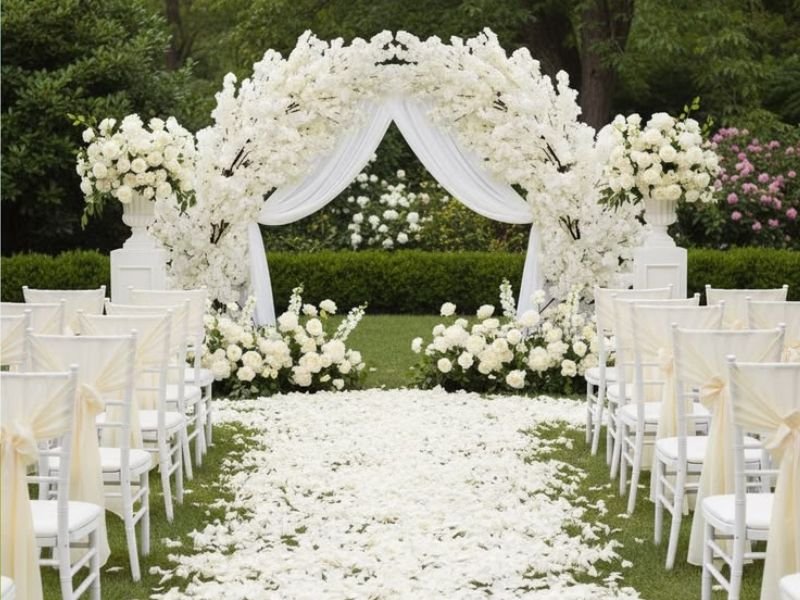
An outdoor wedding decoration has a special kind of beauty. The open sky, fresh air, beautiful flowers, and natural surroundings create a lovely setting for two people celebrating their love. Whether the ceremony takes place in a lush garden, a quiet backyard, a vineyard, or a scenic countryside venue, the right decorations can turn an ordinary outdoor space into something truly memorable.
One of the most beautiful things about an outdoor wedding is the opportunity to work with the surroundings instead of covering them up. Blooming flowers, leafy trees, rolling lawns, and natural sunlight can become part of the overall design. With thoughtful decoration choices, couples can create a romantic atmosphere that feels elegant, welcoming, and personal.
However, decorating an outdoor wedding requires a little more planning than decorating an indoor venue. Lighting, weather conditions, the layout of the space, and the comfort of guests all deserve attention. The goal is to create a beautiful celebration without making the decorations feel overwhelming or impractical.
If you are planning an outdoor wedding decoration and looking for inspiration, these ideas will help you create a romantic setting that reflects your style while making the most of your venue.
Create a Beautiful Ceremony Space With a Floral Wedding Arch
A floral wedding arch can become the focal point of an outdoor wedding ceremony. Positioned where the couple will exchange vows, it creates a beautiful backdrop for photographs and helps define the ceremony area without taking away from the surrounding scenery.
For a romantic garden wedding, consider an arch decorated with white roses, delicate baby’s breath, and fresh greenery. This combination creates a soft, timeless appearance that works beautifully against green lawns and flowering plants. If you prefer something more colorful, blush roses, peach blossoms, and soft lavender flowers can introduce warmth without making the arrangement look too busy.
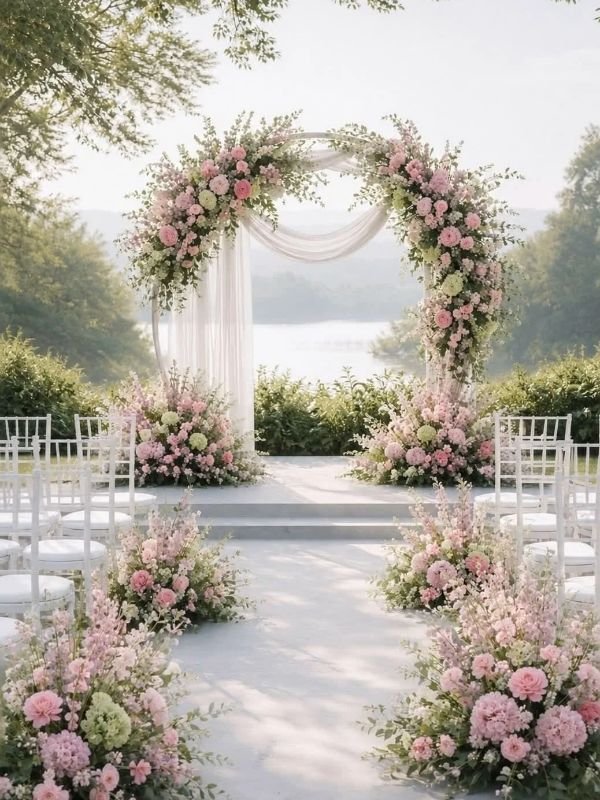
The shape of the arch also influences the overall atmosphere. A rounded arch creates a gentle, romantic appearance, while a rectangular wooden structure can complement a rustic or countryside wedding. Couples who prefer a more modern design might choose a simple geometric arch with asymmetrical floral arrangements.
You do not need to cover the entire structure with flowers to achieve a beautiful result. Concentrating the flowers on one side or arranging them across the upper corners can create an elegant design while keeping costs manageable.
It is also important to consider the natural background. An arch positioned in front of mature trees, a garden pathway, or a scenic landscape can look beautiful with fewer decorations because the surroundings already provide visual interest.
Before selecting the final design, confirm that the structure can be securely installed at the venue. Outdoor arches must be stable enough to withstand wind, especially when they are decorated with heavy flowers, fabric, or other materials.
Use String Lights to Create a Romantic Evening Atmosphere
Lighting can completely change the appearance of an outdoor wedding as the day moves into evening. During daylight hours, natural sunlight illuminates the venue, but once the sun begins to set, carefully placed lights can create a warm and inviting atmosphere.
String lights are particularly beautiful for outdoor receptions because they provide illumination while adding decorative interest overhead. They can be suspended between trees, stretched across a courtyard, or arranged above dining tables to create a canopy of warm light.
For a garden wedding, warm-white string lights often complement the natural surroundings. Their soft glow works well with greenery, white flowers, neutral table linens, and wooden furniture. When arranged above a reception area, they can make the space feel intimate without requiring elaborate ceiling decorations.
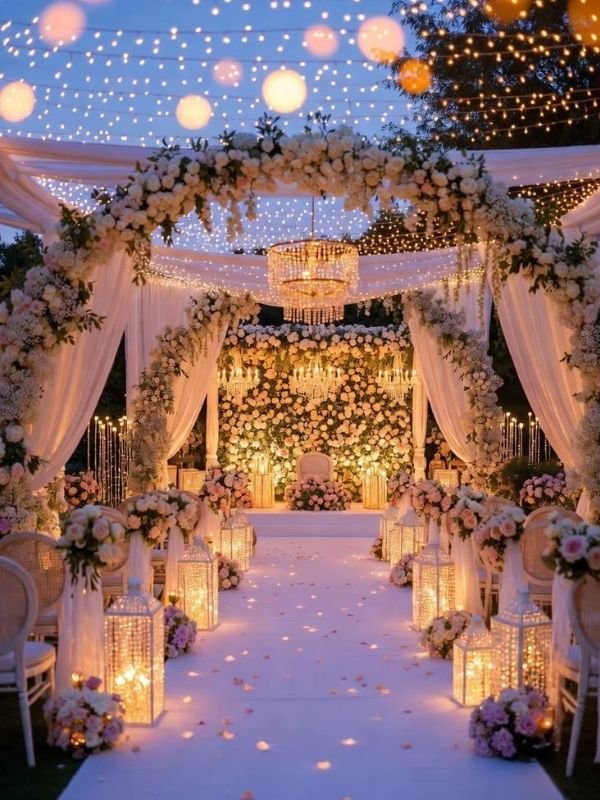
Couples can also combine string lights with other lighting elements. Small lanterns along a pathway, candles on reception tables, and subtle lighting around trees can help create a cohesive design throughout the venue.
The placement of the lights matters as much as the type selected. Lighting should illuminate important areas, including dining spaces, walkways, entrances, and steps. Decorative lights alone may not provide sufficient visibility for guests moving around after dark.
Before installation, ask the venue about its electrical arrangements and whether outdoor-rated lighting is required. Weather-resistant equipment, secure mounting points, and professionally installed connections can help prevent problems during the celebration.
For couples who want their wedding photographs to capture the beauty of the evening, discuss the lighting arrangement with the photographer in advance. A thoughtful combination of ambient lighting and strategically placed fixtures can create a romantic atmosphere without leaving important areas too dark.
Choose Flowers That Complement the Natural Surroundings
Flowers are an important part of many outdoor wedding designs, but the most beautiful arrangements do not always need to be elaborate. The key is choosing blooms and greenery that complement the venue, wedding colors, and overall atmosphere.
A garden wedding surrounded by colorful flowers may benefit from a relatively simple floral palette. White roses, greenery, and a few seasonal blooms can create a cohesive appearance without competing with the existing landscape.
For a more dramatic setting, consider combining flowers in different shades of the same color. Cream roses, ivory blossoms, and pale peach flowers can create depth while maintaining a soft, romantic look. Couples who prefer a bolder style might incorporate burgundy, terracotta, or deep pink flowers against a backdrop of green foliage.
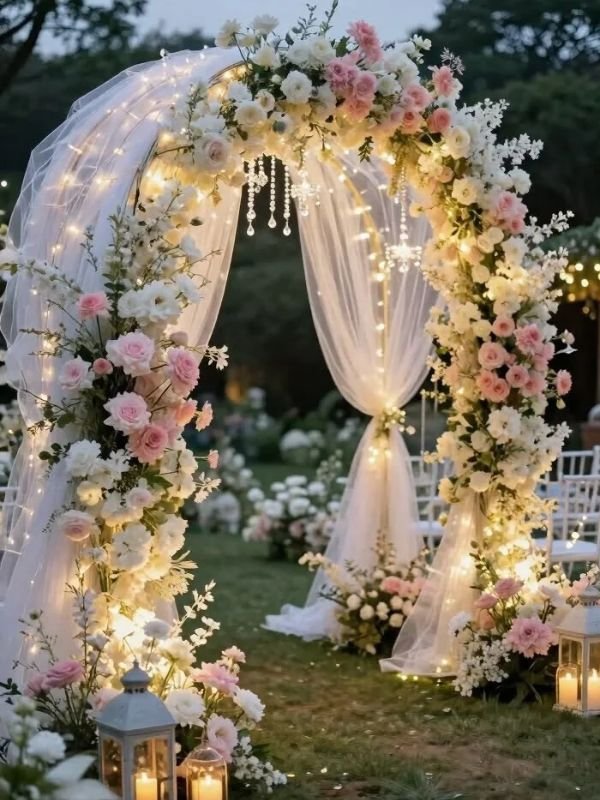
Greenery can also make a significant difference. Eucalyptus, leafy branches, and other suitable foliage can fill out arrangements, soften the appearance of tables, and connect different decorative elements throughout the venue.
Rather than placing large floral arrangements everywhere, consider concentrating the flowers in areas where they will have the greatest visual impact. The ceremony backdrop, reception entrance, dining tables, and welcome sign are useful places to begin.
Seasonal flowers may offer a practical alternative to blooms that must be transported over long distances. A florist familiar with the wedding location can recommend varieties that are available, suitable for the weather, and likely to remain attractive throughout the celebration.
Temperature is particularly important for outdoor weddings. Some flowers may wilt quickly in direct sunlight or warm conditions, so arrangements should be selected and positioned with the expected weather in mind. Keeping delicate blooms out of intense midday sun can help preserve their appearance.
Style Reception Tables With Elegant, Natural Details
Reception tables contribute significantly to the overall appearance of an outdoor wedding. They are also spaces where guests spend considerable time eating, talking, and celebrating, making it important to balance beauty with comfort.
For a romantic setting, begin with a simple foundation of table linens in ivory, white, champagne, or another color that complements the wedding palette. These shades provide a versatile background for flowers, glassware, and decorative accessories.
Natural textures can make the arrangement feel more connected to the outdoor setting. Wooden tables, woven placemats, linen napkins, and understated ceramic details work particularly well for garden and countryside weddings.
If the couple prefers a more formal appearance, polished glassware, elegant cutlery, folded napkins, and coordinated table stationery can create a refined tablescape. Small details such as personalized place cards or delicate ribbon around napkins can make the setting feel thoughtful without overcrowding the table.
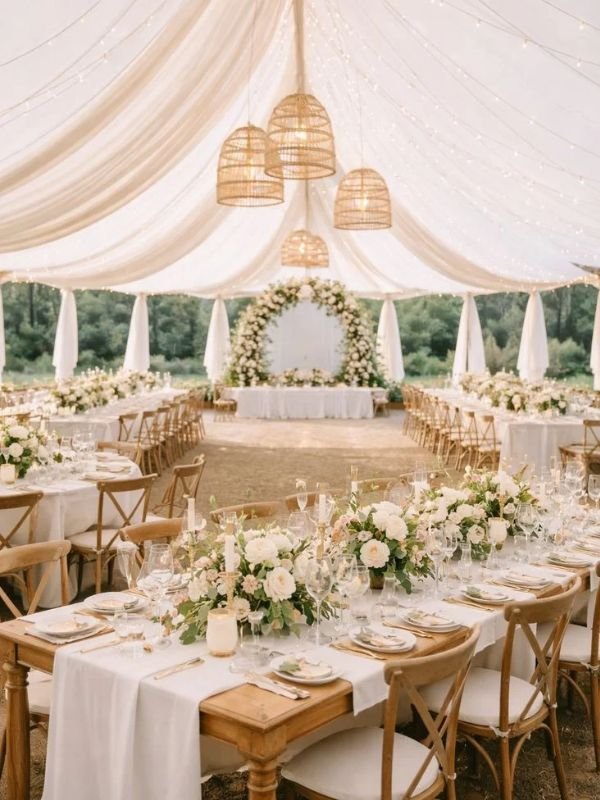
Flowers can be arranged in low centerpieces that allow guests to see and speak to one another comfortably. A mixture of small vases, seasonal blooms, and greenery can create visual interest across a long table without requiring one large arrangement at every place setting.
For evening receptions, candles can introduce a warm glow. However, open flames may be restricted at some outdoor venues, particularly in dry or windy conditions. Enclosed candle holders or suitable battery-operated alternatives can provide a similar decorative effect when permitted by the venue.
Remember to leave enough room for plates, serving dishes, drinks, and other essentials. A table that looks beautiful in a photograph should also be comfortable and functional for the people using it.
Incorporate Draped Fabrics for a Soft, Dreamy Look
Fabric can introduce movement and softness into an outdoor wedding design. When used thoughtfully, it can make a ceremony space feel romantic while helping connect different decorative elements.
Lightweight fabric in ivory, white, champagne, or pale blush can be draped over a wedding arch, arranged around a designated entrance, or incorporated into a suitable reception structure. These neutral colors work well with many wedding palettes and allow flowers and greenery to remain prominent.
For a garden ceremony, fabric gathered loosely around the upper corners of an arch can create an elegant frame for the couple. A similar approach can be used for a covered reception area, provided the structure is designed to support the fabric securely.
Couples who prefer a more luxurious appearance might choose richer materials and carefully tailored arrangements. However, the fabric should suit the venue rather than overpower it. A simple outdoor setting often benefits from light, flowing details, while a formal estate or landscaped venue may accommodate a more elaborate design.
It is important to remember that outdoor conditions affect how fabric behaves. Strong winds can cause loose material to flap, become tangled, or pull against its supports. Heavy fabric can also place additional strain on decorative structures.
Work with the decorator or venue team to choose suitable materials and secure them properly. Keep fabric away from candles, heaters, cooking equipment, and other potential sources of ignition.
When used with care, draped fabric can soften the appearance of an outdoor wedding without hiding the natural beauty that makes the venue special.
Make the Wedding Entrance Feel Welcoming
The entrance creates the first impression guests receive when they arrive at the wedding venue. A thoughtfully decorated entrance helps establish the celebration’s style and guides guests toward the ceremony or reception area.
For a romantic garden wedding, a welcome sign surrounded by flowers and greenery can create a beautiful starting point. Wooden signs work well in rustic settings, while acrylic or carefully designed printed signs can complement a more modern celebration.
The sign itself does not need an elaborate frame. A simple design featuring the couple’s names and wedding date can look elegant when paired with a suitable stand, a floral arrangement, and a few decorative details.
The pathway leading into the venue also deserves attention. Potted plants, small floral arrangements, or lanterns can help define the route while maintaining a natural appearance. If the ceremony and reception take place in separate areas, discreet directional signs can make it easier for guests to find their way.
For an evening wedding, ensure the entrance and nearby pathways are sufficiently illuminated. Guests should be able to read signs, recognize changes in ground level, and move safely through the venue.
Accessibility should also be considered. Decorations should not obstruct entrances, narrow walkways, wheelchair access, or emergency routes. A beautiful entrance is most successful when it is easy and comfortable for everyone to use.
Create Comfortable Outdoor Lounge Areas
An outdoor lounge area gives guests somewhere to relax away from the main dining tables. It can be especially useful during longer celebrations, cocktail hours, or receptions where guests may want to mingle in smaller groups.
For a garden wedding, consider arranging comfortable chairs around a small table beneath a tree or in a shaded corner of the venue. Neutral cushions, simple throws suitable for the weather, and a few potted plants can make the space feel inviting.
Couples can choose furniture that complements the overall wedding style. Wooden benches and woven chairs may suit a rustic setting, while upholstered seating and coordinated accent tables can create a more formal appearance.
The arrangement should encourage conversation without making guests feel separated from the celebration. Positioning the lounge near the reception area, but away from speakers and busy walkways, can provide a comfortable balance.
Shade is particularly important for daytime weddings. If the venue has limited natural shade, ask about suitable umbrellas, canopies, or other approved structures. Guests should have somewhere to rest away from direct sunlight, especially during hot weather.
Consider the practical details as well. Outdoor furniture should be stable on the ground, cushions should be suitable for the expected weather, and the area should remain accessible throughout the event.
A thoughtfully arranged lounge area adds another layer of comfort to the celebration while giving guests a beautiful place to gather and enjoy the atmosphere.
Use Lanterns and Candles to Add Warmth
Lanterns and candles can make an outdoor wedding feel especially romantic after sunset. Their gentle glow complements flowers, greenery, wooden furniture, and other natural elements.
Lanterns can be positioned beside a ceremony entrance, along suitable pathways, around a lounge area, or near the edges of a reception space. A coordinated collection of lanterns in different sizes can add visual interest without requiring elaborate decorations.
For a classic look, consider black or bronze lanterns with simple lines. White lanterns may suit a light, romantic color palette, while wooden or woven designs can complement a rustic wedding.
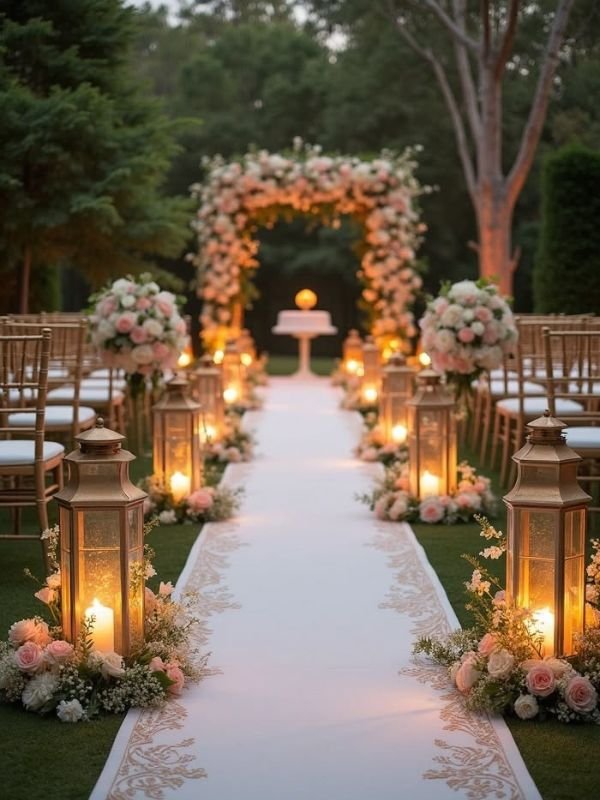
Candles can be incorporated into reception tables using appropriate holders. A combination of candle heights can create depth, while smaller votives can provide subtle illumination between floral arrangements.
However, open flames require careful planning. Wind can extinguish candles, and dry grass, loose fabric, or nearby foliage can create fire hazards. Some venues prohibit real candles entirely, so confirm the rules before making arrangements.
Battery-operated candles are a practical alternative when real flames are not suitable. Many options provide a warm glow without the same fire risk, although they should still be chosen and positioned appropriately for outdoor use.
The aim is to create a consistent lighting arrangement that feels warm and welcoming while keeping guests safe.
Let the Landscape Become Part of the Decoration
One of the greatest advantages of an outdoor wedding is the opportunity to use the existing landscape as part of the design.
A venue with mature trees, flowering gardens, a beautiful lawn, or scenic views may already have many of the features needed for a memorable celebration. Instead of filling every available space with decorations, consider which elements deserve to be highlighted.
For example, a ceremony positioned beneath a large tree may need only a simple floral arrangement and carefully placed seating. A garden surrounded by flowering plants may look most beautiful with understated table decorations that complement the existing colors.
At a venue with a scenic view, arranging the ceremony so guests can see the landscape can create a striking backdrop without requiring a large artificial structure.
Natural elements can also influence the color palette. Soft greens and ivory may complement a leafy garden, while warm beige, terracotta, and cream can suit a countryside setting.
This approach can also help couples manage their budgets. When the venue already provides visual interest, there may be less need for additional flowers, elaborate backdrops, or large decorative installations.
Before finalizing the design, visit the venue at the time of day when the ceremony or reception will take place. Observe the sunlight, shade, existing plants, and views from different angles. These details can help determine where decorations will have the greatest impact.
The goal is not to transform the landscape completely, but to create a wedding design that feels as though it belongs in the setting.
Choose a Color Palette That Connects Every Detail
A coordinated color palette helps an outdoor wedding feel polished and intentional. It brings together the flowers, table settings, signage, fabrics, bridesmaid attire, and other decorative elements.
The best palette depends on the venue, the season, and the couple’s personal style.
For a classic romantic wedding, ivory, white, and soft green provide a timeless combination. These shades work well with floral arrangements, natural greenery, and understated table settings.
Couples who prefer a warmer appearance might choose champagne, beige, dusty rose, and muted terracotta. These colors can complement wooden furniture, warm lighting, and natural landscapes.
Sage green and white are also suitable for garden weddings because they create a fresh appearance that connects naturally with the surroundings. Adding a small amount of gold through table accessories or signage can introduce a more formal touch.
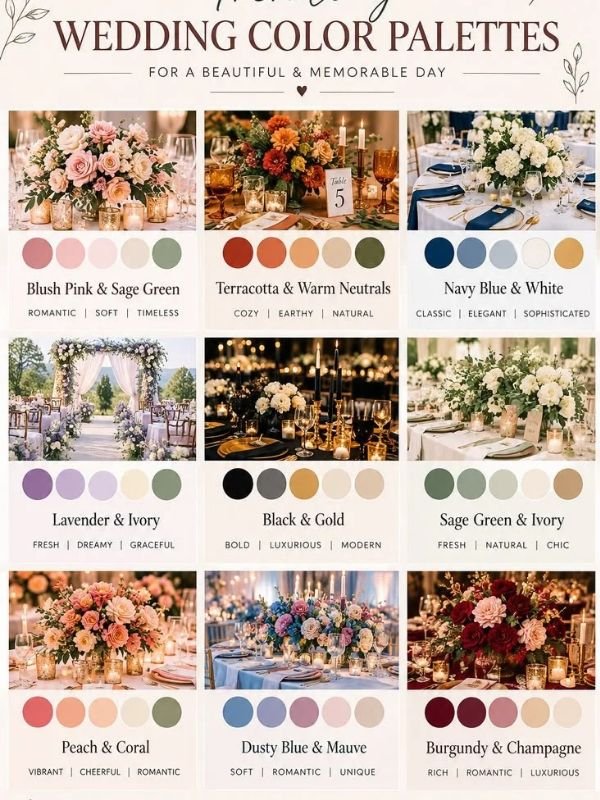
For a dramatic evening celebration, deeper colors such as burgundy, forest green, or navy can create contrast against lighter flowers and linens.
Once the palette has been selected, use it consistently rather than introducing too many unrelated shades. The flowers do not need to match the napkins exactly, but the colors should work together.
It is also worth considering how the palette will appear in photographs. Colors can look different under bright sunlight, in shaded areas, and beneath artificial lighting. Viewing fabric samples and floral options at the actual venue can help avoid unexpected contrasts.
A cohesive color palette makes the entire celebration feel connected, even when the decorations themselves are relatively simple.
Decorate the Reception With Beautiful Hanging Details
Hanging decorations can add visual interest to an outdoor reception, particularly when the venue has suitable trees, pergolas, or covered structures.
Floral installations are one option. Flowers and greenery can be arranged above a reception table or suspended from an approved structure to create a focal point. This approach can be especially effective above the couple’s table or a designated dining area.
For a more understated design, consider hanging greenery, delicate ribbons, or small decorative lanterns. These elements can introduce texture without competing with the surrounding landscape.
The scale of the installation should suit the space. A large arrangement may look impressive in a spacious venue but overwhelm a small backyard reception. In a smaller setting, a few carefully positioned details can achieve a similar effect without making the area feel crowded.
Safety is particularly important with overhead decorations. Hanging installations must be attached to suitable supports and installed by people who understand the weight and stability requirements. Decorations should not be suspended from branches or structures without confirming that they can safely support the load.
Consider wind conditions as well. Loose fabric, lightweight ornaments, and hanging flowers may move considerably outdoors, so their placement and attachment need to account for changing weather.
When designed and installed properly, hanging decorations can help define the reception space and give it a distinctive appearance while preserving the open-air atmosphere.
Make the Outdoor Wedding Beautiful Without Overspending
Creating a romantic outdoor wedding does not necessarily require a large decoration budget. The key is deciding where to spend money and where simpler alternatives can achieve a similar result.
Start by identifying the areas guests will notice most. The ceremony backdrop, reception tables, entrance, and main gathering spaces are often good places to concentrate the decoration budget.
For example, a well-designed floral arch can become the focal point of the ceremony, while simpler arrangements can be used around the rest of the venue. Similarly, string lights may provide more visual impact across an evening reception than numerous small decorative objects scattered throughout the space.
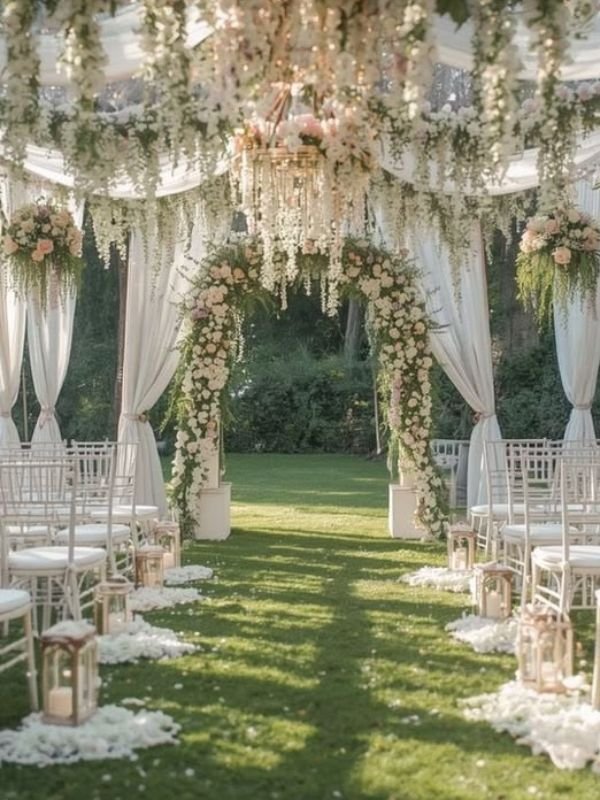
Using the venue’s existing features can also reduce costs. Trees, gardens, stone pathways, and attractive architectural details may need little additional decoration.
Seasonal flowers can be another practical choice. Ask the florist which varieties are available locally and offer good value during the wedding period. Greenery can also help create full-looking arrangements without relying entirely on expensive blooms.
Couples may choose to reuse certain decorations throughout the celebration. Ceremony flowers, for example, might be moved to the reception entrance or placed beside the couple’s table, provided the timing and arrangements allow it.
Renting larger items such as arches, lanterns, furniture, and decorative structures can be more economical than purchasing everything for a single event. Before renting, confirm delivery, installation, collection, and any additional fees.
DIY Outdoor wedding decoration can work well for simple projects, including printed signs, place cards, and basic table details. More complicated floral installations, electrical work, and overhead structures are usually better handled by experienced professionals.
A beautiful wedding comes from thoughtful decisions rather than the number of decorations used. By focusing on a few meaningful details and coordinating them carefully, couples can create an elegant atmosphere while keeping spending under control.
Prepare Your Decorations for Outdoor Weather
Even the most beautiful wedding design needs a practical plan for changing weather. Sunlight, wind, rain, and temperature can affect everything from flowers and fabrics to lighting and furniture.
Begin by discussing the venue’s weather arrangements before finalizing the decorations. Ask whether there is an indoor alternative, a covered reception space, or a suitable marquee available if conditions change.
Wind is one of the most important factors to consider. Lightweight signs, loose fabrics, floral arrangements, and table decorations may shift or fall over if they are not secured properly. Use suitable supports and avoid placing delicate items where they could easily be disturbed.
For a daytime wedding, shade can help keep guests comfortable and protect certain decorations from direct sunlight. Flowers may need additional care in hot conditions, and candles can become impractical in exposed areas.
Rain also requires advance planning. Table linens, signage, electrical equipment, and decorative accessories should be suitable for the expected conditions or protected appropriately. Electrical connections should be installed safely, with outdoor-rated equipment where required.
The ground itself deserves attention. Grass can become slippery or muddy after rain, while uneven pathways may create difficulties for guests wearing formal shoes. Walkways should remain safe and accessible throughout the celebration.
Finally, communicate with the decorator, florist, venue coordinator, and other relevant vendors. Everyone should understand the backup arrangements and know who will make decisions if the weather changes.
Preparing for these possibilities does not mean expecting the worst. It simply allows the couple to enjoy the day with fewer avoidable surprises.
Frequently Asked Questions About Outdoor Wedding Decoration
How can I make an outdoor wedding look romantic?
Focus on elements that create a warm, cohesive atmosphere. Soft lighting, seasonal flowers, coordinated colors, elegant table settings, and a beautiful ceremony backdrop can work together to create a romantic outdoor wedding. Choose decorations that complement the landscape instead of covering it with too many competing details.
What decorations work best for a garden wedding?
Garden weddings often look beautiful with floral arches, greenery, string lights, natural table settings, lanterns, and understated signage. The ideal decorations depend on the garden’s existing features. If the venue already has abundant flowers and mature trees, simpler arrangements may be all you need.
How can I decorate an outdoor wedding on a budget?
Concentrate your spending on the most visible areas, use seasonal flowers, incorporate existing landscape features, and consider renting large decorative items. You can also reuse suitable ceremony decorations at the reception. A consistent color palette and a few well-chosen focal points can create a polished appearance without excessive spending.
What lighting is best for an outdoor wedding decoration reception?
Warm-white string lights, lanterns, suitable table lighting, and carefully positioned outdoor fixtures can create an inviting evening atmosphere. The lighting plan should also provide enough visibility for dining areas, steps, entrances, and pathways. Always check the venue’s rules and electrical requirements before installation.
How do I protect outdoor wedding decoration from wind and rain?
Choose suitable materials, secure decorations properly, and discuss weather contingency plans with the venue and vendors. Heavy or stable supports may be needed for arches and signs, while delicate flowers and fabrics should be positioned carefully. An indoor alternative or covered area can be valuable if severe weather develops.
What colors are best for an outdoor wedding decoration?
Popular options include ivory and green, sage green and white, blush pink and champagne, dusty blue and cream, and terracotta with neutral shades. The best combination depends on the venue, season, and preferred wedding style. Consider the existing landscape when choosing colors so the decorations complement their surroundings.
Conclusion on outdoor wedding decoration Ideas
Decorating an outdoor wedding is an opportunity to create a celebration that feels personal, romantic, and connected to nature. From a beautiful floral arch to softly illuminated reception tables, the right details can transform an open-air venue into a memorable setting for the couple and their guests.
The most successful designs balance appearance with practicality. Flowers should suit the conditions, lighting should create atmosphere while keeping pathways visible, and decorative structures should be stable enough for an outdoor environment. Thoughtful planning also helps couples make the most of their budget without sacrificing the overall look they want.
Above all, let the venue guide the design. A garden, backyard, or scenic countryside location may already have much of the beauty needed for a special celebration. By building on those natural features and choosing decorations that reflect the couple’s style, it is possible to create a wedding that feels both elegant and genuinely personal.
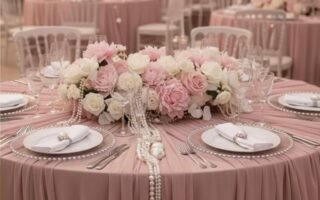
[…] If you Love this Wedding Table Decoration, Do well Check out our other post on Outdoor Wedding Decoration Ideas for a Romantic Celebration […]